Understanding Epilepsy Surgery Success Rates and Key Factors
Researchers studied the outcomes of epilepsy surgery by analyzing data from 5,588 patients across 385 studies.
This hub covers drug-resistant epilepsy: When seizures aren’t controlled after trying two appropriate medicines. Research-backed next steps on diet therapies, devices, surgery evaluation, and safety.
If seizures aren’t controlled after two meds, it’s worth at least an evaluation at an epilepsy center.
Not necessarily. Some familiar consider it earlier depending on seizure type and goals.
Yes. Treatment response can change over time, and combinations/approaches matter.
Seizure frequency, triggers, sleep, missed meds, side effects, and rescue med use.

Researchers studied the outcomes of epilepsy surgery by analyzing data from 5,588 patients across 385 studies.
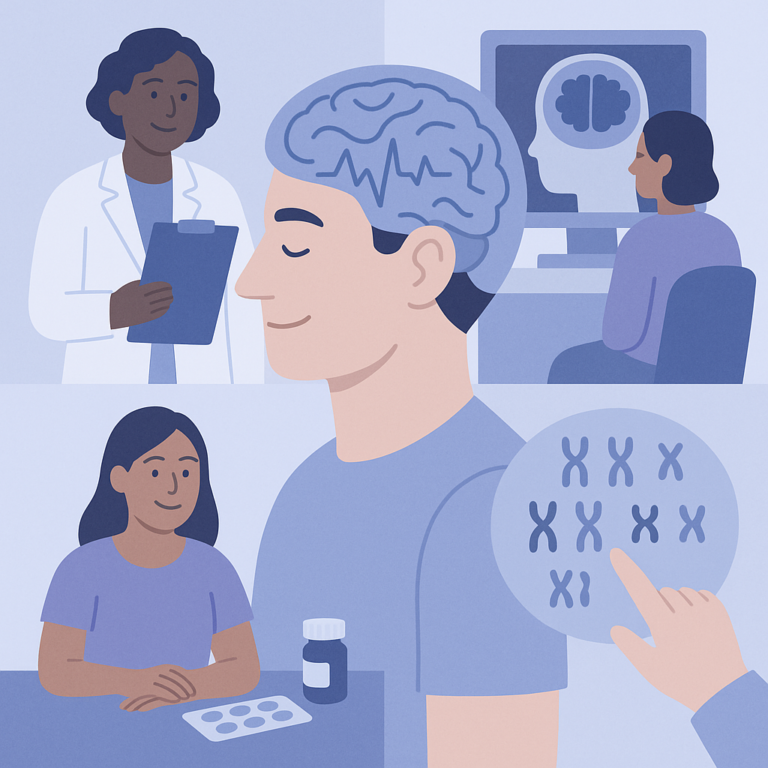
Researchers studied the outcomes of epilepsy surgery to understand what factors influence its success.
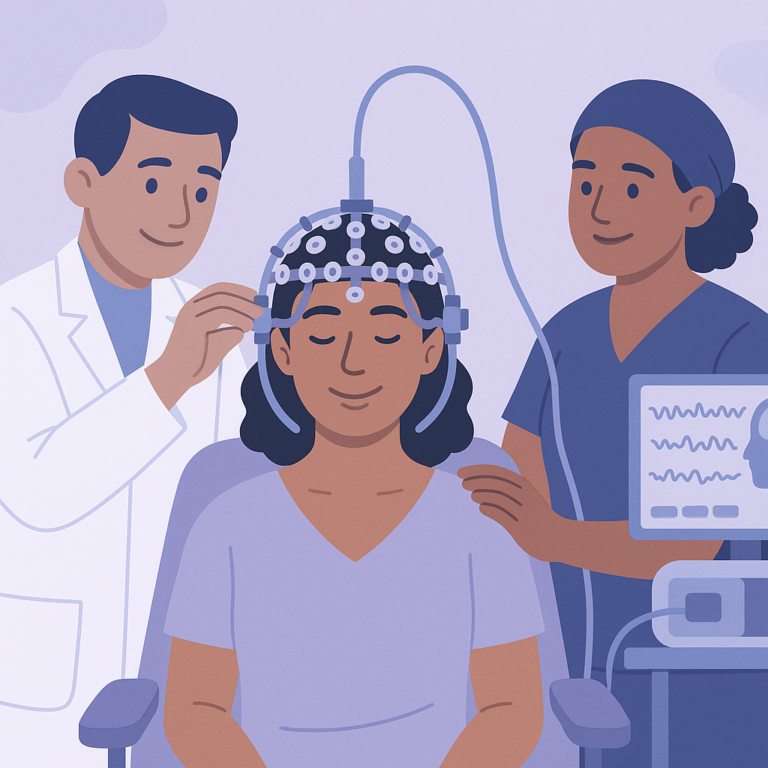
This study looked at how well a procedure called stereoelectroencephalography (sEEG) works for patients with epilepsy who do not respond to medication.
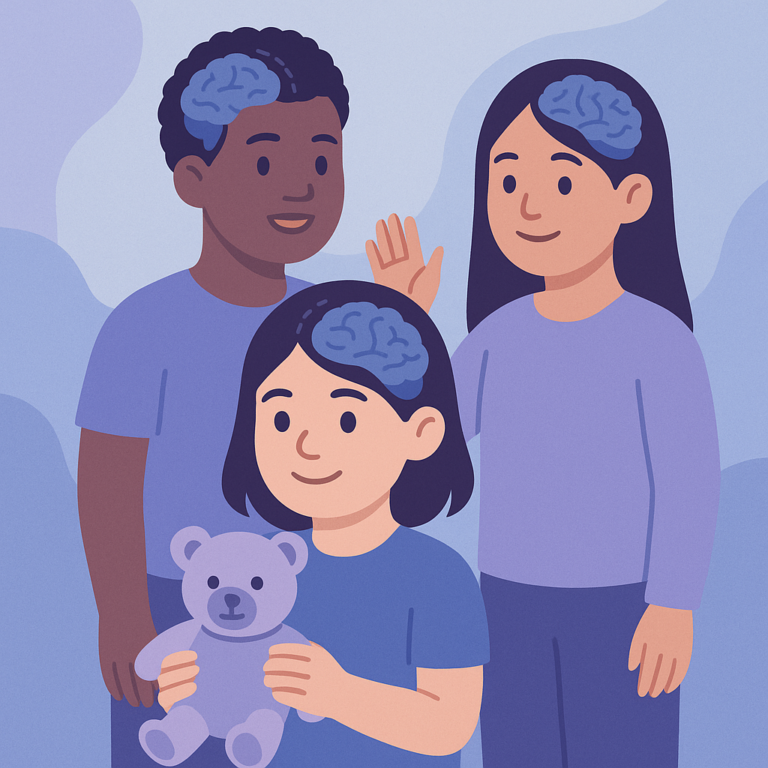
This study looked at how children with epilepsy who had surgery to remove part of their frontal lobe performed on different cognitive tasks before and after the operation.
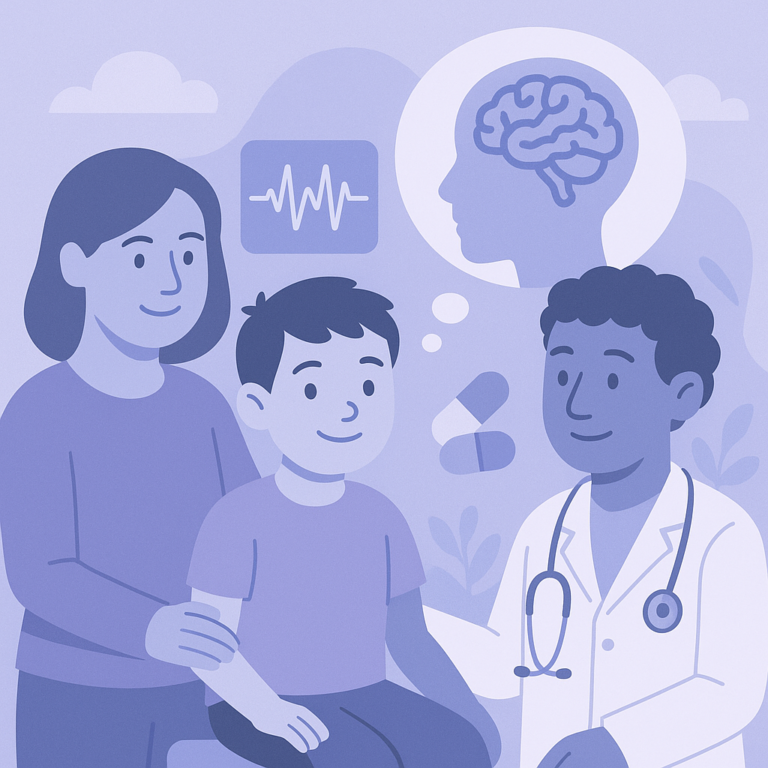
Researchers studied a rare condition called AFG2A-related encephalopathy (AFG2A-RE) by reviewing information from 51 individuals, including 45 from previous studies and 6 from their own recent observations.
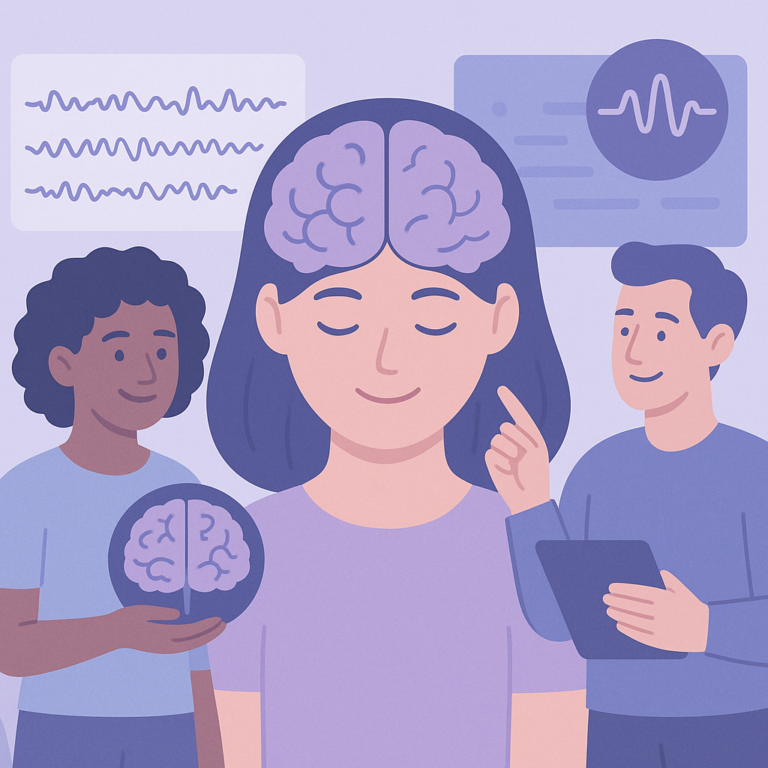
In this study, researchers looked at how deep brain stimulation (DBS) of the anterior thalamus can help people with epilepsy who do not respond to medication.
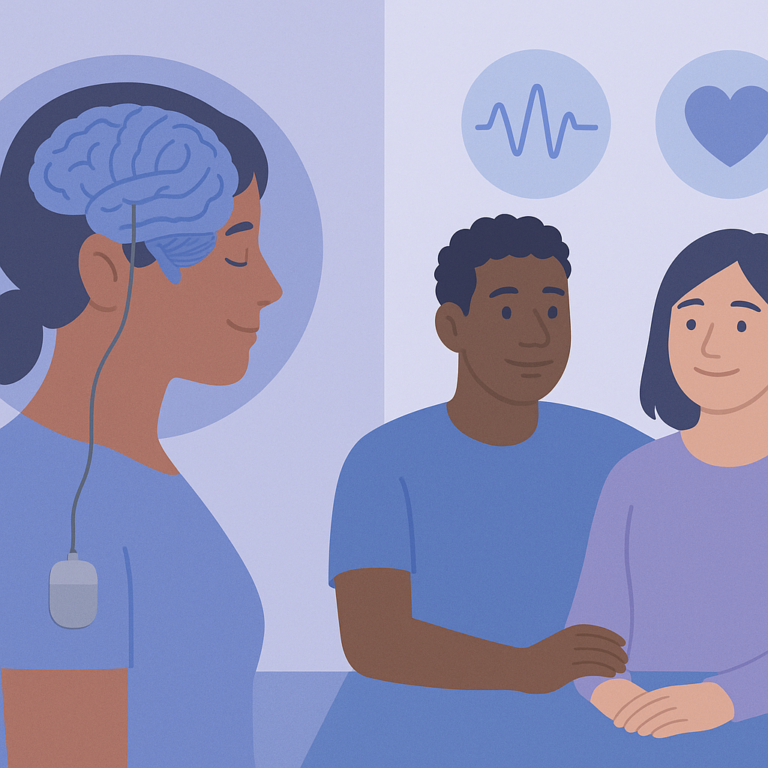
Researchers studied the effectiveness of Deep Brain Stimulation (DBS) for people with drug-resistant epilepsy (DRE), a condition where seizures do not respond well to medication.
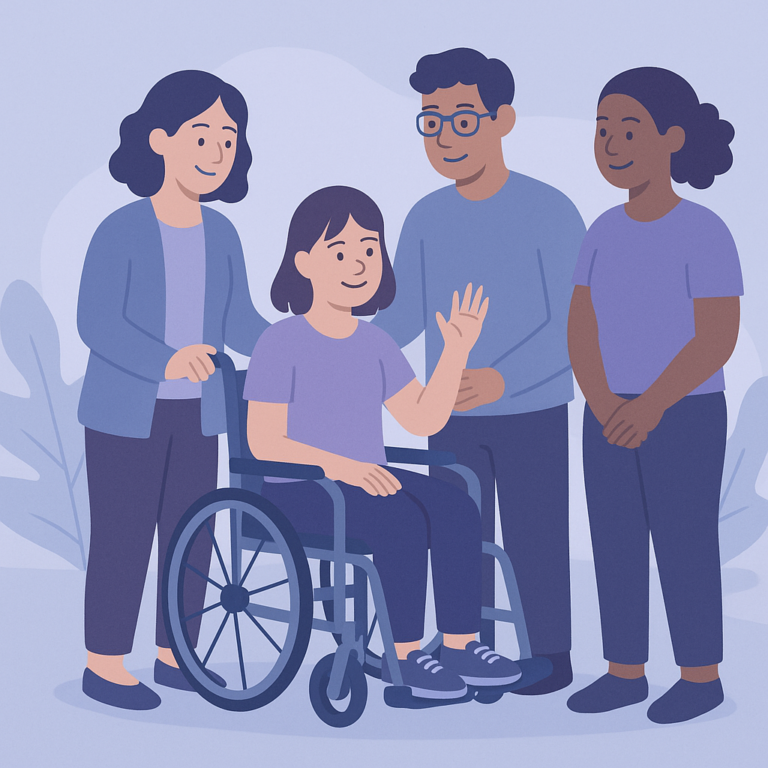
This study looked at how different people, including family members, support staff, and professionals, view and support self-determination in individuals with mild intellectual disabilities and drug-resistant epilepsy.
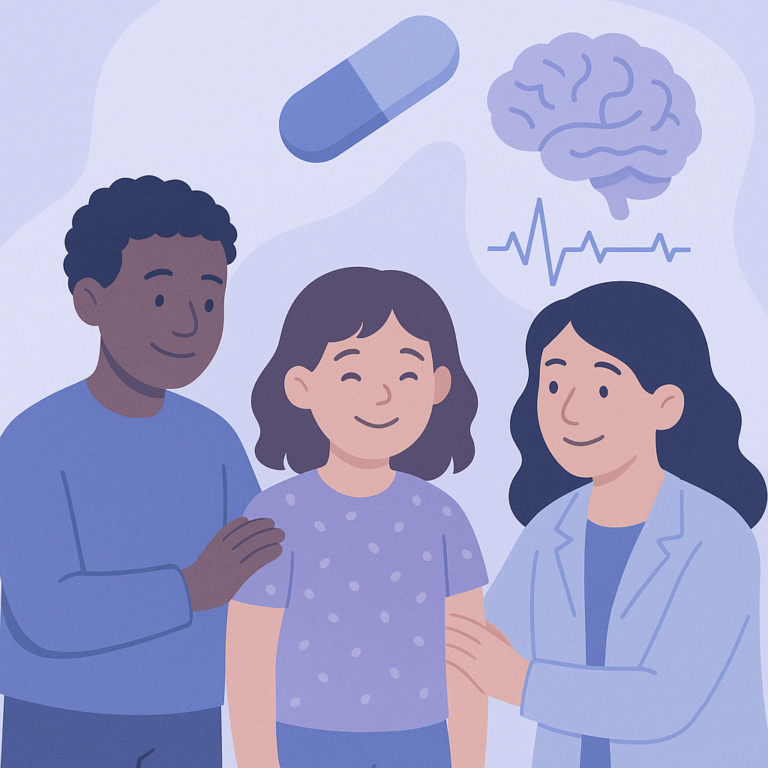
A study was conducted to see how effective and safe the medication zonisamide is for children with developmental epileptic encephalopathy (DEE) or epileptic encephalopathy (EE).