Hypothalamic Treatment Shows Promise for Some Neurological Patients
Researchers studied the effects of a treatment called Liposom Forte, which contains hypothalamic phospholipids, in three patients with different neurological disorders.
This hub covers drug-resistant epilepsy: When seizures aren’t controlled after trying two appropriate medicines. Research-backed next steps on diet therapies, devices, surgery evaluation, and safety.
If seizures aren’t controlled after two meds, it’s worth at least an evaluation at an epilepsy center.
Not necessarily. Some familiar consider it earlier depending on seizure type and goals.
Yes. Treatment response can change over time, and combinations/approaches matter.
Seizure frequency, triggers, sleep, missed meds, side effects, and rescue med use.
Researchers studied the effects of a treatment called Liposom Forte, which contains hypothalamic phospholipids, in three patients with different neurological disorders.
Researchers studied how brain networks are affected in people with nonlesional focal epilepsy, which is a type of epilepsy that doesn’t show visible brain damage on scans.
This study looked at children with drug-resistant epilepsy (DRE) who had surgery to stop their seizures.
Researchers studied how deep learning (DL) techniques can help locate the epileptogenic zone (EZ), which is the area in the brain that causes seizures, in people with drug-resistant epilepsy.
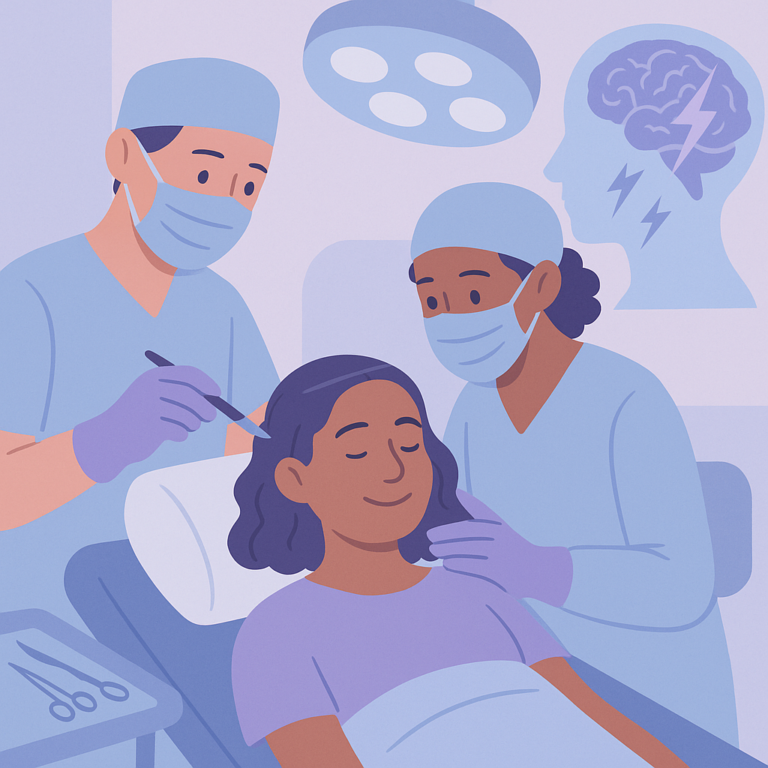
Researchers studied surgical treatments for a serious condition called super-refractory status epilepticus (SRSE), which is a prolonged seizure that lasts more than 24 hours and does not respond to standard treatments.

Researchers studied the effectiveness and safety of a medication called perampanel in patients with Lennox-Gastaut syndrome (LGS), a severe form of epilepsy that often starts in childhood.
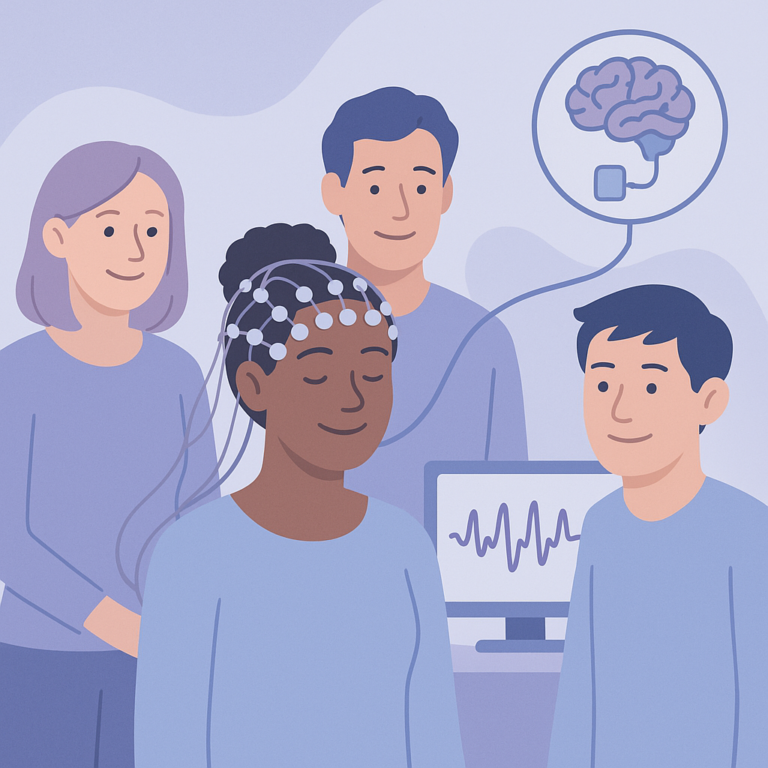
This study looked at how certain brain activity signals, called biomarkers, can help predict how well invasive treatments for drug-resistant epilepsy (DRE) work.
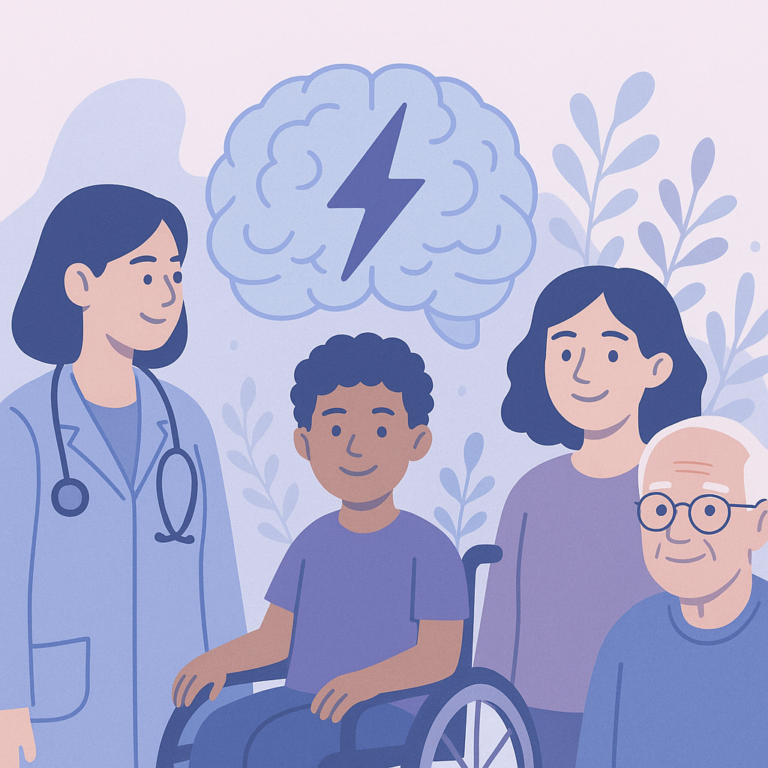
Researchers studied the characteristics of epilepsy in patients with Muscle-Eye-Brain disease (MEB), a rare genetic condition that affects muscle and brain development.
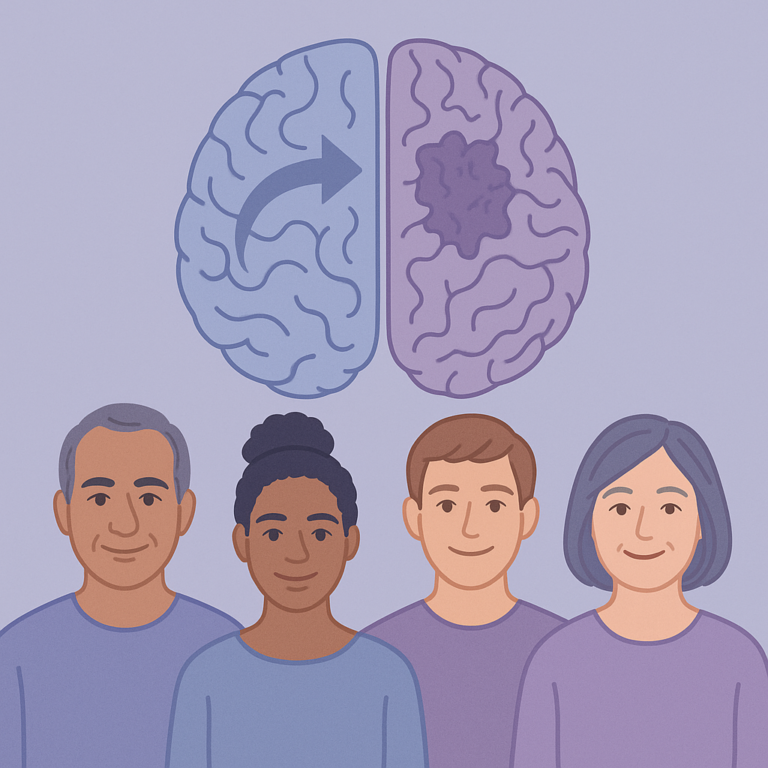
Researchers studied a specific type of brain condition called focal cortical dysplasia type II (FCDII), which is a common cause of epilepsy in children that does not respond to medication.