New Brain Stimulation Treatment Shows Safe Cognitive Results for Epilepsy
Researchers studied a new treatment called epicranial focal cortex stimulation (eFCS) for people with epilepsy that does not respond to medication.
This hub covers drug-resistant epilepsy: When seizures aren’t controlled after trying two appropriate medicines. Research-backed next steps on diet therapies, devices, surgery evaluation, and safety.
If seizures aren’t controlled after two meds, it’s worth at least an evaluation at an epilepsy center.
Not necessarily. Some familiar consider it earlier depending on seizure type and goals.
Yes. Treatment response can change over time, and combinations/approaches matter.
Seizure frequency, triggers, sleep, missed meds, side effects, and rescue med use.
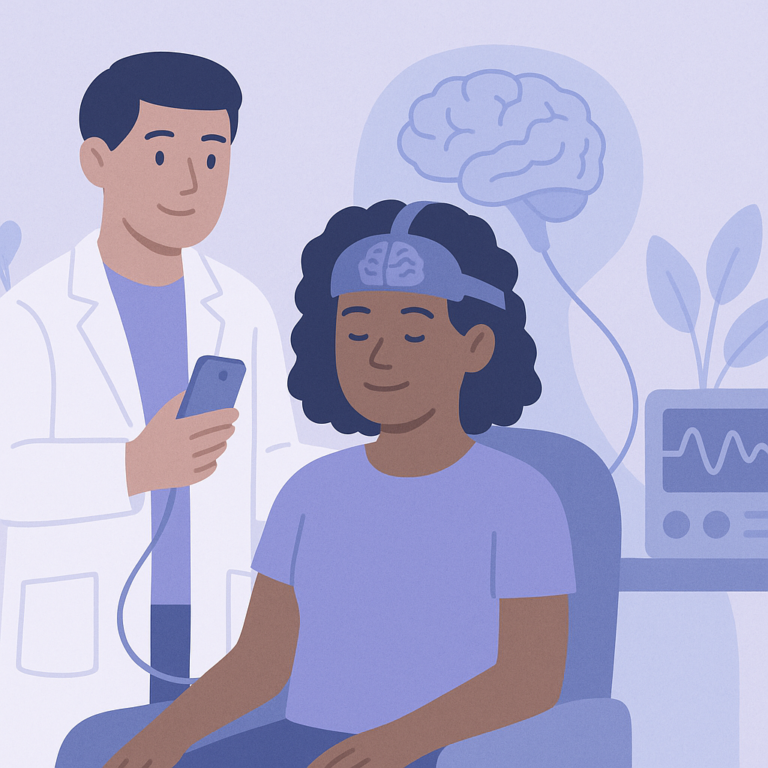
Researchers studied a new treatment called epicranial focal cortex stimulation (eFCS) for people with epilepsy that does not respond to medication.
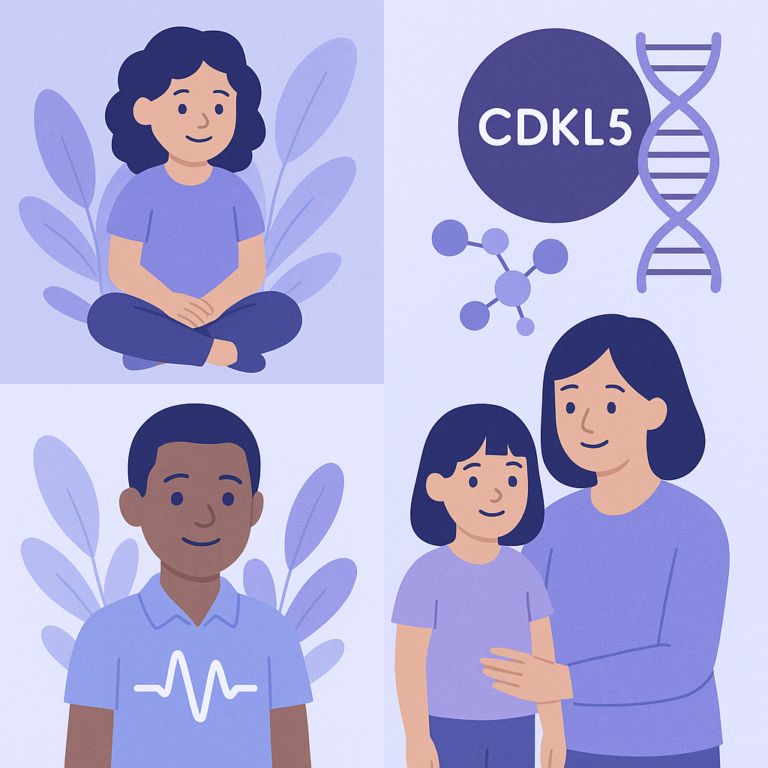
This study focused on a rare genetic disorder called cyclin-dependent kinase-like 5 deficiency (CDD), which leads to severe epilepsy and developmental challenges.
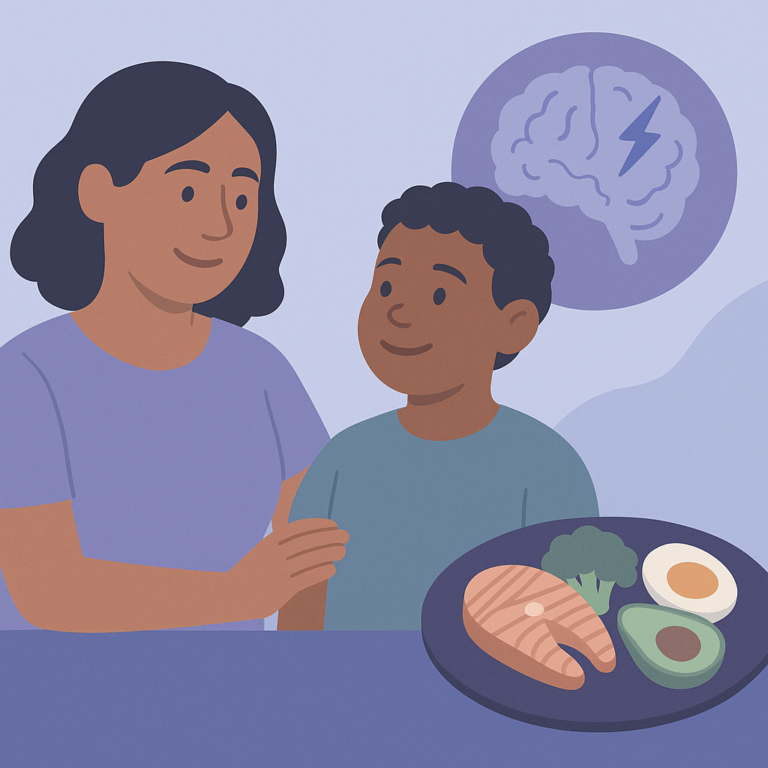
Researchers studied two diets, the classical ketogenic diet (CKD) and the modified Atkins diet (MAD), to see how well they help children with drug-resistant epilepsy (DRE).

This study looked at how common posttraumatic stress disorder (PTSD) is in people with drug-resistant epilepsy (DRE) compared to those with other chronic diseases, specifically type 1 diabetes (T1D) and drug-resistant atrial fibrillation (AF).
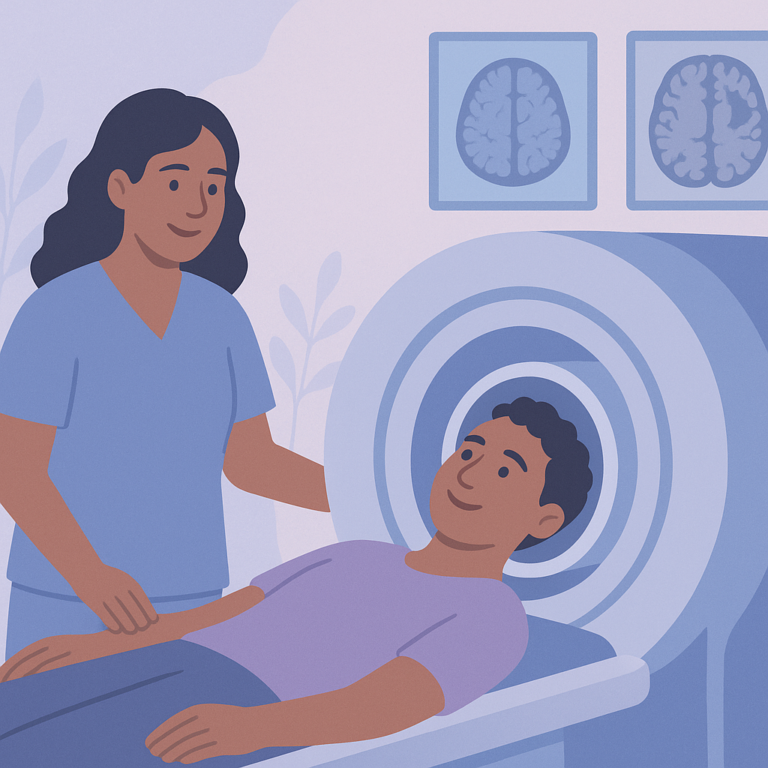
Researchers studied different MRI techniques to find focal cortical dysplasia (FCD), a condition that can cause severe epilepsy that doesn’t respond to medication.
This study looked at how different factors affect the journey of young people with epilepsy who might need surgery.
This study looked at the effects of epilepsy surgery on children and teenagers who have epilepsy that does not respond to medication.
Researchers studied six children from South India who have a rare type of epilepsy called KCTD7-related progressive myoclonic epilepsy (PME).
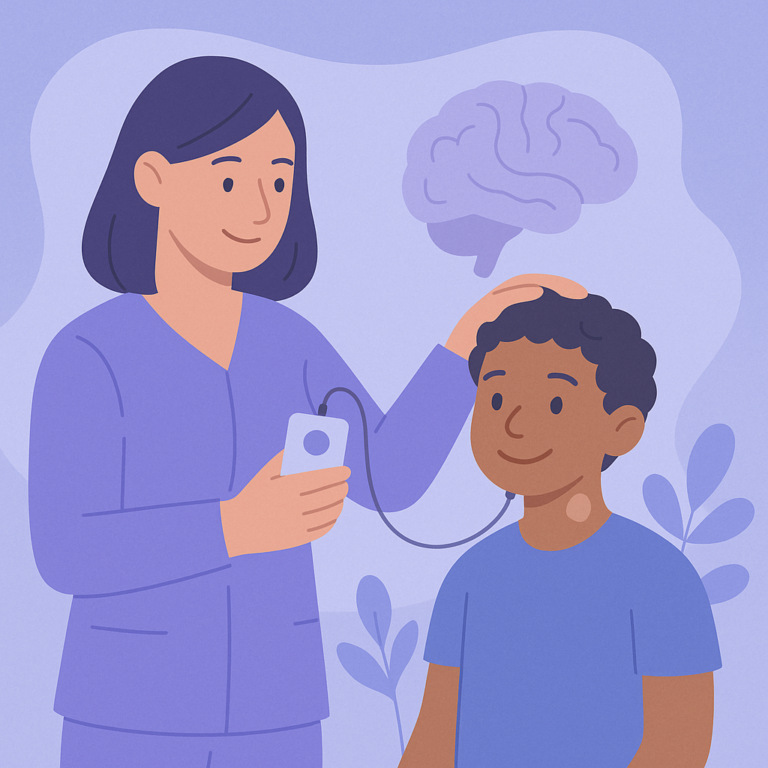
Researchers studied the effects of vagal nerve stimulation (VNS) on children with drug-refractory epilepsy (DRE) in South Africa.