New Genes Identified as Potential Epilepsy Treatment Targets
This study looked at how genes might influence epilepsy in mice.
This hub covers drug-resistant epilepsy: When seizures aren’t controlled after trying two appropriate medicines. Research-backed next steps on diet therapies, devices, surgery evaluation, and safety.
If seizures aren’t controlled after two meds, it’s worth at least an evaluation at an epilepsy center.
Not necessarily. Some familiar consider it earlier depending on seizure type and goals.
Yes. Treatment response can change over time, and combinations/approaches matter.
Seizure frequency, triggers, sleep, missed meds, side effects, and rescue med use.

This study looked at how genes might influence epilepsy in mice.
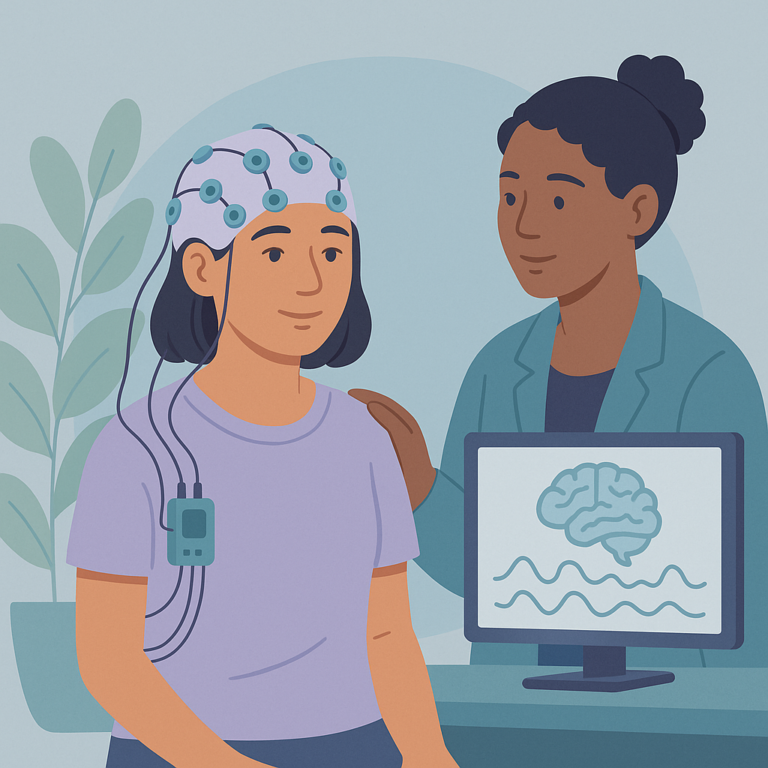
Researchers studied a new device called the EP-01, which is designed to record brain activity from inside blood vessels in patients with drug-resistant epilepsy.
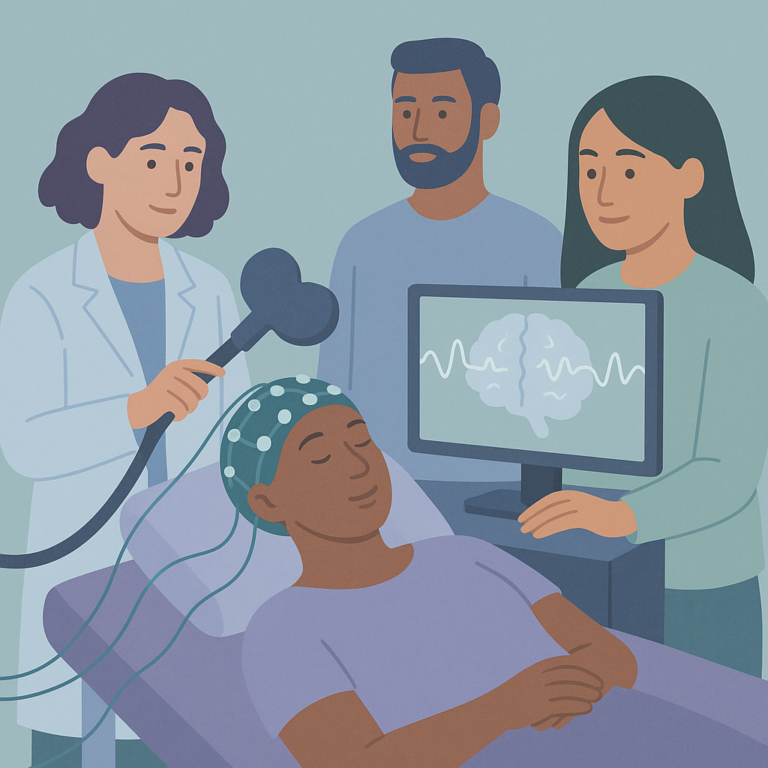
Researchers studied different non-invasive neurostimulation treatments for people with drug-resistant epilepsy, which is a type of epilepsy that does not respond well to medications.
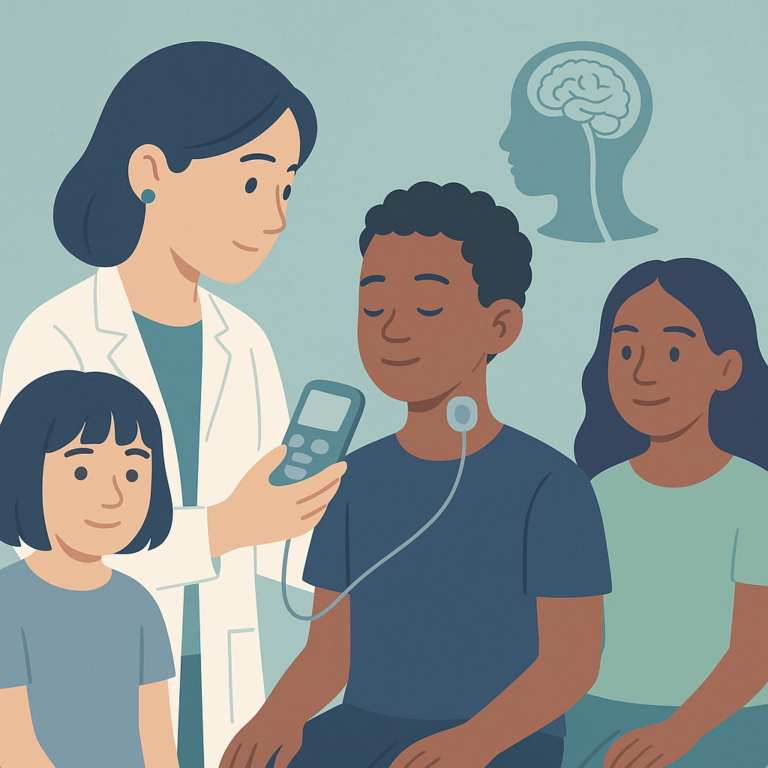
This study looked at the use of vagus nerve stimulation (VNS) to treat children with drug-resistant epilepsy, meaning their seizures did not respond to standard medications.

This study looked at patients with focal drug-resistant epilepsy who could not have surgery to remove their seizure-causing brain tissue.

This study looked at how well different people agree on measuring seizure frequency in children with epilepsy who are treated with vagus nerve stimulation (VNS).
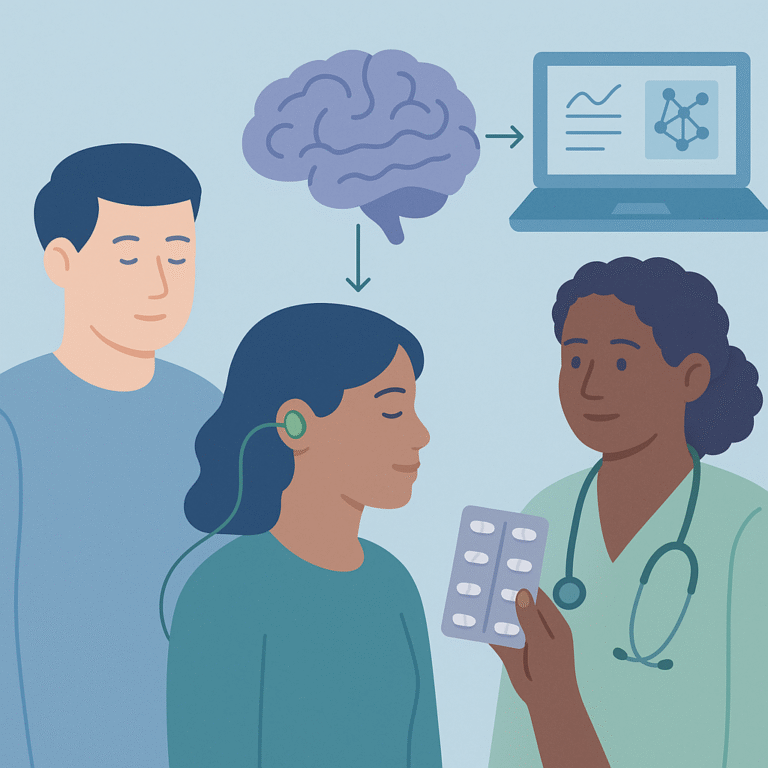
This study looked at how machine learning can help predict which patients with drug-resistant epilepsy might respond well to neuromodulation therapies, like vagus nerve stimulation (VNS).

A study was conducted to understand the effects of tracheostomy in critically ill children with neurological impairments who were treated in the Pediatric Intensive Care Unit (PICU).

This study looked at how machine learning (ML) can help doctors make better decisions about surgery for people with drug-resistant epilepsy (DRE).