Growth in Research on Developmental and Epileptic Encephalopathies
This study looked at research on developmental and epileptic encephalopathies (DEE) and genes from 2001 to 2025.
This hub covers epilepsy genetics: how gene changes can contribute to seizures (often in children). We translate studies on testing, results like VUS, and what findings may change for care.
No. It’s common in pediatrics, but adults can benefit from genetic testing, too, especially with unclear diagnosis or family history.
Sometimes. For certain conditions, results can guide medication choice, diet therapies, or referral decisions.
It usually means “not enough evidence yet.” It shouldn’t be treated as a definite cause, but it can be reclassified over time.
Not necessarily. Testing can miss some variants, and new gene links are still being discovered.

This study looked at research on developmental and epileptic encephalopathies (DEE) and genes from 2001 to 2025.
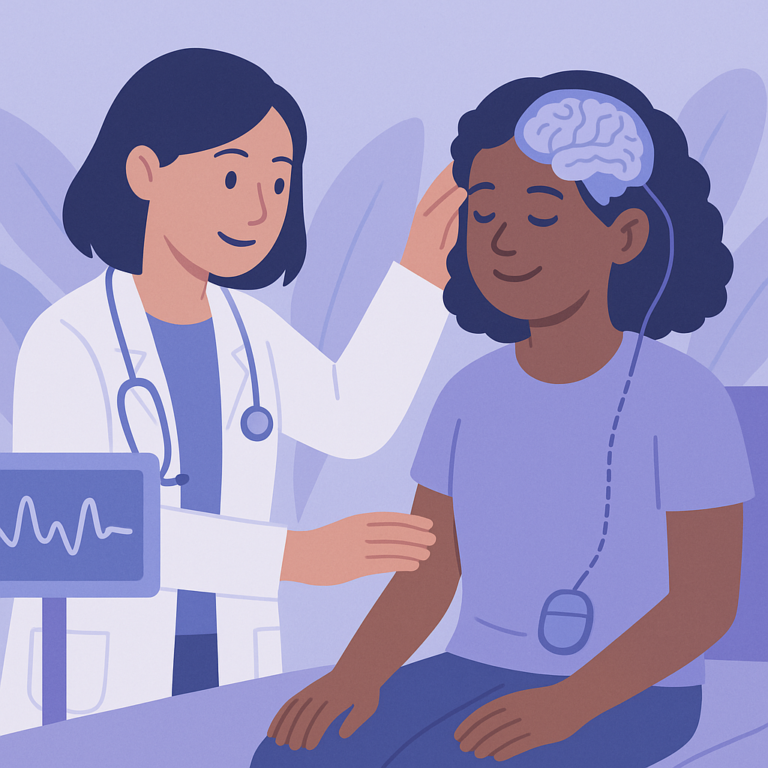
A study was conducted on a 16-year-old patient with drug-resistant epilepsy (DRE), which means their seizures did not respond to standard treatments.
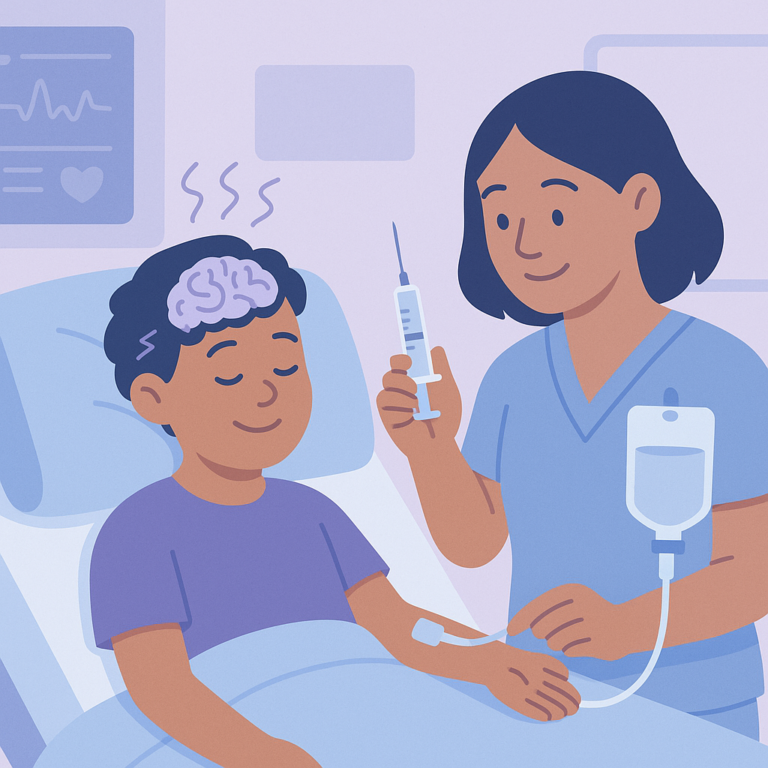
Researchers studied a 5-year-and-11-month-old boy who developed a severe form of epilepsy called febrile infection-related epilepsy syndrome (FIRES) after a fever.
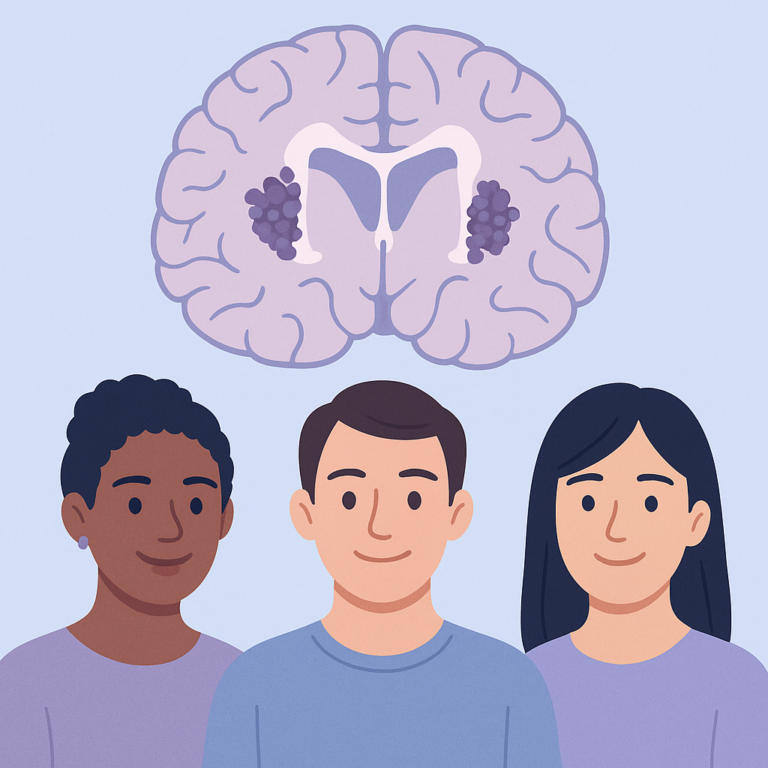
Researchers studied a group of 32 individuals with a specific brain condition called bilateral frontal periventricular nodular heterotopia (PVNH).
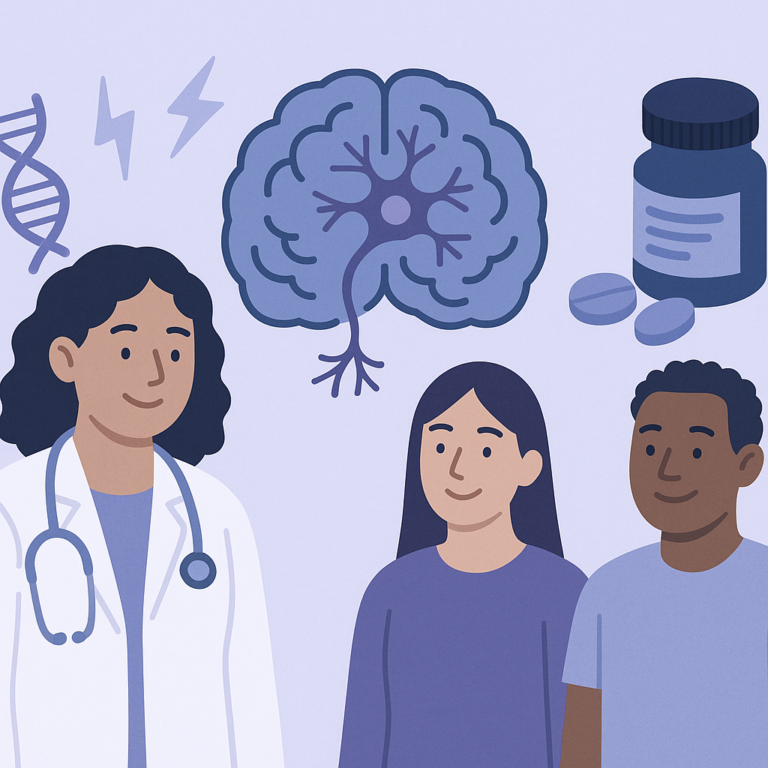
Researchers studied a rare genetic condition called progressive myoclonic epilepsy (PME) in a 41-year-old woman who experienced various symptoms, including tics, seizures, and mental health issues.
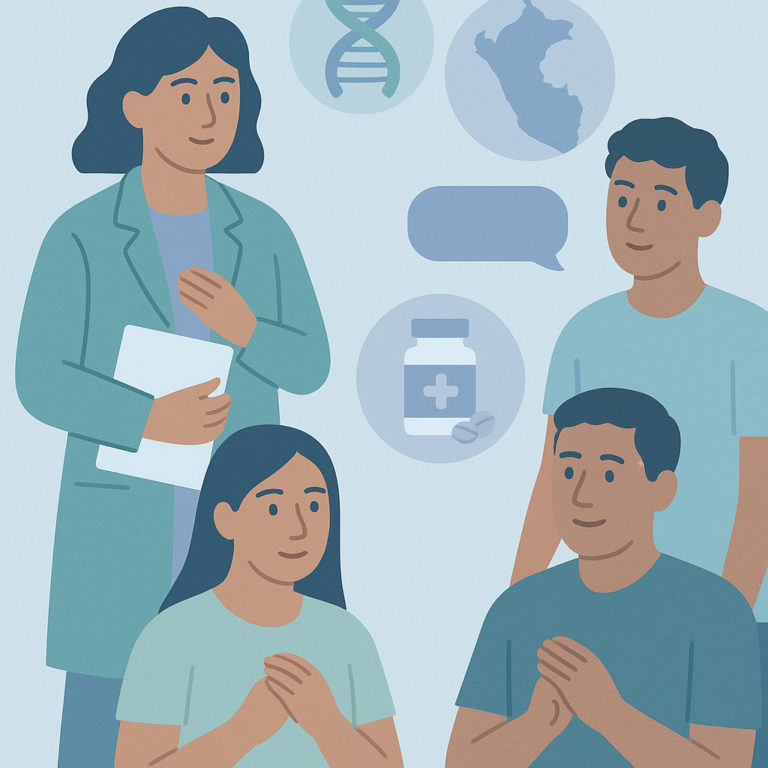
A study was conducted to explore how certain genetic variations affect the way Peruvian patients with epilepsy respond to antiseizure medications.

This study looked at five adults with Febrile Infection-Related Epilepsy Syndrome (FIRES), a serious condition that causes severe seizures after a fever.

Researchers studied a genetic condition called PPP2R1A-related neurodevelopmental disorders, which can lead to developmental delays, intellectual disabilities, epilepsy, and brain malformations.

Researchers studied how well single-item global rating scales (SIGRs) and multi-item scales (MISs) work in epilepsy research.