Add-On Seizure Medicines Help, With Cenobamate Leading
This study combined results from 35 studies in a network meta-analysis.
This hub covers epilepsy genetics: how gene changes can contribute to seizures (often in children). We translate studies on testing, results like VUS, and what findings may change for care.
No. It’s common in pediatrics, but adults can benefit from genetic testing, too, especially with unclear diagnosis or family history.
Sometimes. For certain conditions, results can guide medication choice, diet therapies, or referral decisions.
It usually means “not enough evidence yet.” It shouldn’t be treated as a definite cause, but it can be reclassified over time.
Not necessarily. Testing can miss some variants, and new gene links are still being discovered.

This study combined results from 35 studies in a network meta-analysis.

This paper was a systematic review with pooled analysis of studies on deep brain stimulation (DBS) in the thalamus for adults with drug-resistant epilepsy.

This study combined results from 14 previous studies of benzodiazepines used for status epilepticus in adults in out-of-hospital settings.

This was a long-term case report of one girl with a newly identified variant in the ASTN1 gene.

This study looked at 61 children treated at one children’s hospital in China who had epilepsy related to fever sensitivity and met the study’s inclusion criteria.
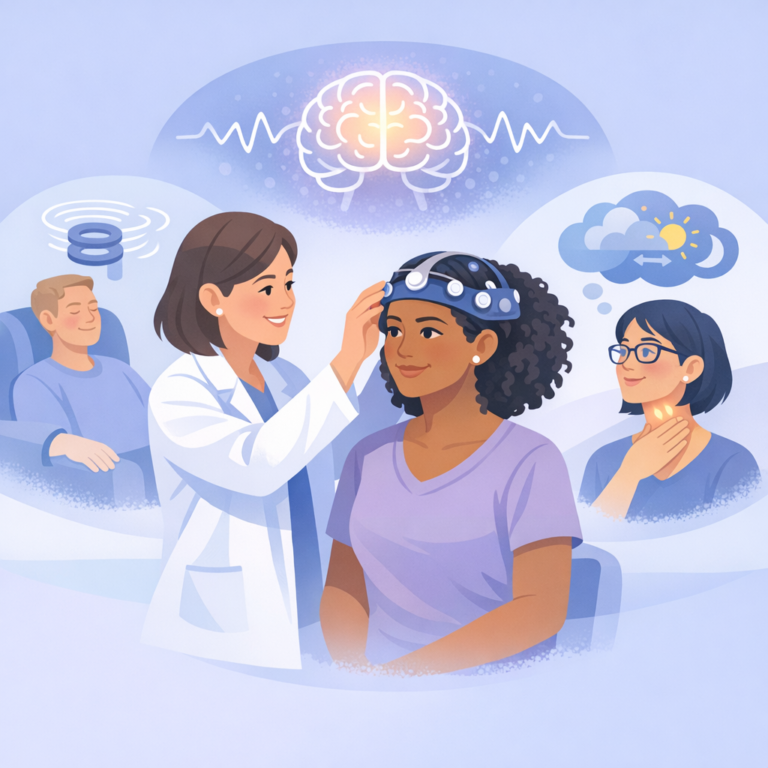
This paper was a systematic review that looked at studies directly comparing two noninvasive brain stimulation methods: transcranial alternating current stimulation (tACS) and transcranial direct current stimulation (tDCS).
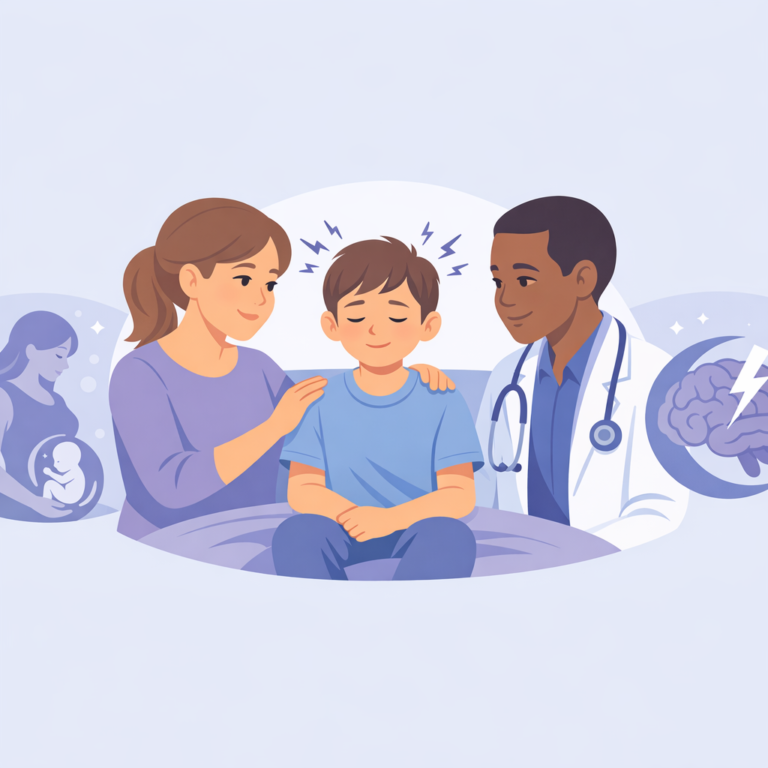
Researchers looked at epilepsy, EEG results, and brain scan findings in 103 Norwegian children diagnosed with fetal alcohol spectrum disorder (FASD).

This study looked at lissencephaly, a group of brain development conditions where the brain surface is smoother than usual because nerve cells did not move to the right place during pregnancy.
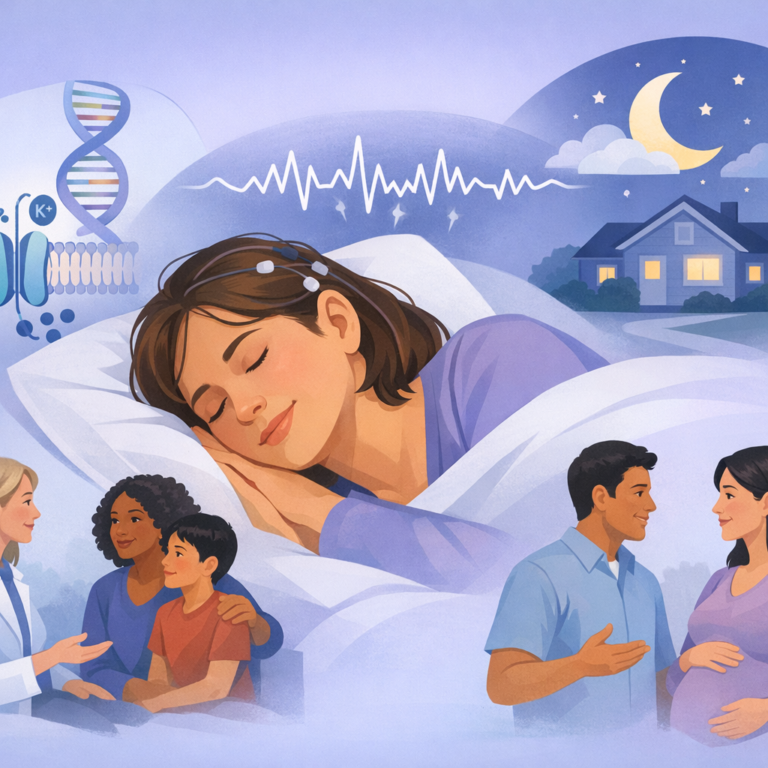
Researchers examined KCNA2 variants in people with epilepsy, with special attention to spike-and-wave activation in sleep (SWAS), an EEG pattern seen during sleep.