Lacosamide May Help Newborn Seizures With Careful Monitoring
This report describes one premature newborn boy in the Netherlands who had hard-to-control seizures.
This hub covers epilepsy genetics: how gene changes can contribute to seizures (often in children). We translate studies on testing, results like VUS, and what findings may change for care.
No. It’s common in pediatrics, but adults can benefit from genetic testing, too, especially with unclear diagnosis or family history.
Sometimes. For certain conditions, results can guide medication choice, diet therapies, or referral decisions.
It usually means “not enough evidence yet.” It shouldn’t be treated as a definite cause, but it can be reclassified over time.
Not necessarily. Testing can miss some variants, and new gene links are still being discovered.

This report describes one premature newborn boy in the Netherlands who had hard-to-control seizures.

This paper was a structured narrative review, not a new clinical trial.

This paper describes the Urgent Epileptic Seizures Care Process in the Community of Madrid for severe epileptic seizures, also called the “Seizure Code.” It is intended for both children and adults.

This paper combined results from earlier studies to look for factors linked with response to vagus nerve stimulation (VNS) in people with drug-resistant epilepsy.

Researchers looked at whether checking the quality of pulse signals from a wearable light sensor, called photoplethysmography (PPG), could improve seizure detection.

This study was a systematic review and meta-analysis.
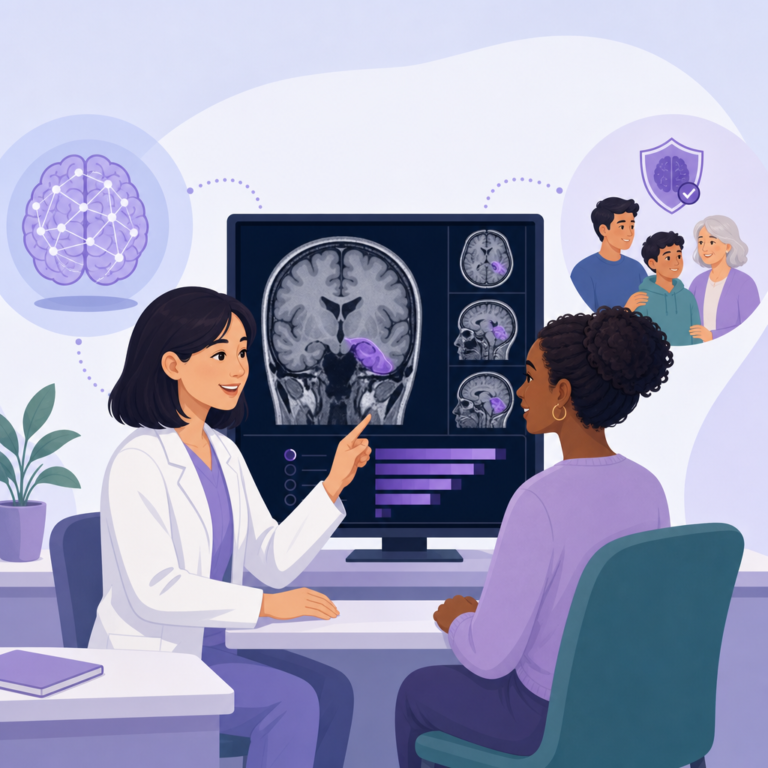
Researchers built and tested a computer program called GATEZ that uses structural MRI scans to rank small brain areas that might be related to the part of the brain removed during epilepsy surgery.

Researchers developed and tested a computer program called ResectVol DL that automatically outlines the cavity left after epilepsy surgery on postoperative MRI scans.

This study looked at brain connection patterns in children and young adults with epilepsy caused by focal cortical dysplasia (FCD), which the abstract describes as the most common cause of drug-resistant epilepsy in children.