New TBL1XR1 Gene Change Linked To Developmental Delays
This report described one child with a neurodevelopmental disorder linked to a TBL1XR1 gene variant.
This hub covers epilepsy genetics: how gene changes can contribute to seizures (often in children). We translate studies on testing, results like VUS, and what findings may change for care.
No. It’s common in pediatrics, but adults can benefit from genetic testing, too, especially with unclear diagnosis or family history.
Sometimes. For certain conditions, results can guide medication choice, diet therapies, or referral decisions.
It usually means “not enough evidence yet.” It shouldn’t be treated as a definite cause, but it can be reclassified over time.
Not necessarily. Testing can miss some variants, and new gene links are still being discovered.

This report described one child with a neurodevelopmental disorder linked to a TBL1XR1 gene variant.

This paper was a scoping review, which means the authors gathered and summarized earlier studies rather than testing a treatment themselves.

This study reviewed clinical guidelines for infantile epileptic spasms syndrome (IESS) from around the world.

This study looked at perampanel, a seizure medicine, in 14 children with autoimmune encephalitis (AE) who had AE-related seizures or epilepsy.

Researchers looked at 15 children with self-limiting familial infantile epilepsy (SeLFIE), a type of epilepsy that starts in infancy and can run in families.

This was a retrospective case series from one children’s hospital in China.
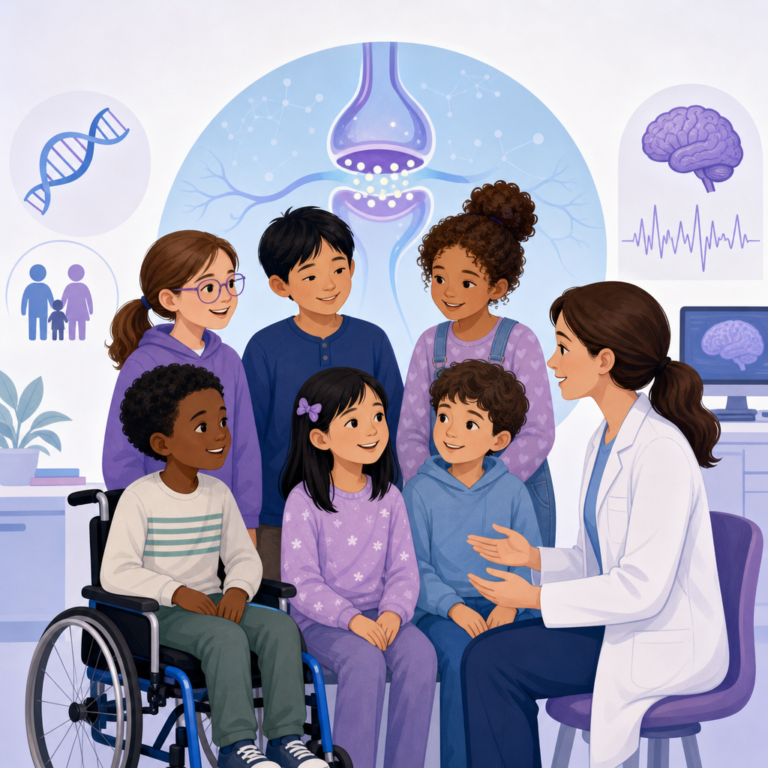
Researchers reviewed trio-WES/WES results from 886 individuals with unexplained epilepsy evaluated from 2018 to 2023.
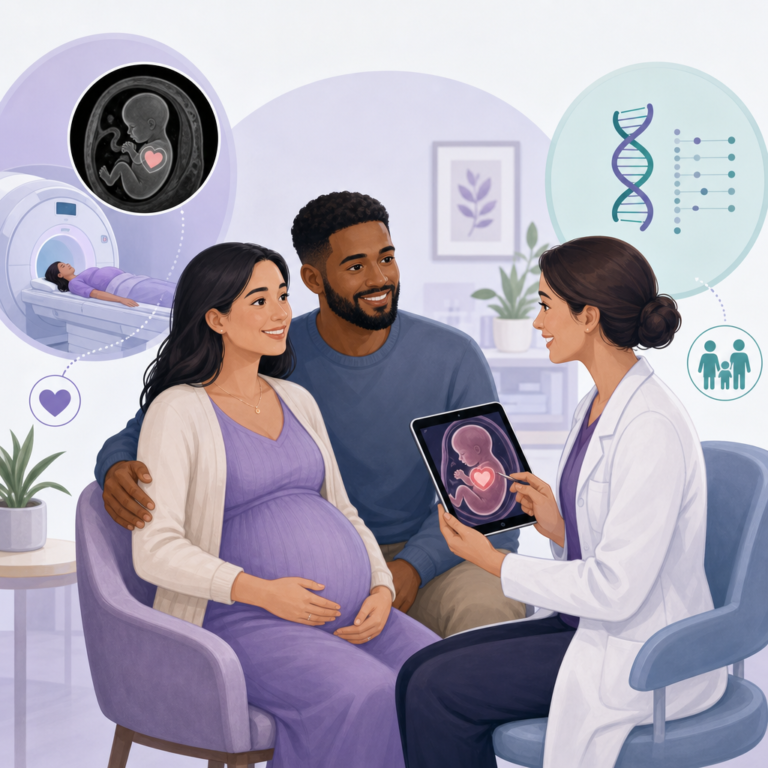
This study looked at 80 fetuses found before birth to have one or more cardiac rhabdomyomas, which are heart tumors often linked with tuberous sclerosis complex (TSC).

This study was a systematic review and meta-analysis.