Understanding Zika-Related Microcephaly in 843 Brazilian Children
This study looked at 843 children in Brazil who were born with microcephaly related to Zika virus infection.
This hub covers epilepsy genetics: how gene changes can contribute to seizures (often in children). We translate studies on testing, results like VUS, and what findings may change for care.
No. It’s common in pediatrics, but adults can benefit from genetic testing, too, especially with unclear diagnosis or family history.
Sometimes. For certain conditions, results can guide medication choice, diet therapies, or referral decisions.
It usually means “not enough evidence yet.” It shouldn’t be treated as a definite cause, but it can be reclassified over time.
Not necessarily. Testing can miss some variants, and new gene links are still being discovered.
This study looked at 843 children in Brazil who were born with microcephaly related to Zika virus infection.
Researchers studied sleep patterns in people with Lennox-Gastaut syndrome (LGS), a severe form of epilepsy that affects development and causes multiple types of seizures.
Researchers studied two specific types of epilepsy syndromes called New-Onset Refractory Status Epilepticus (NORSE) and Febrile Infection-Related Epilepsy Syndrome (FIRES) in children.
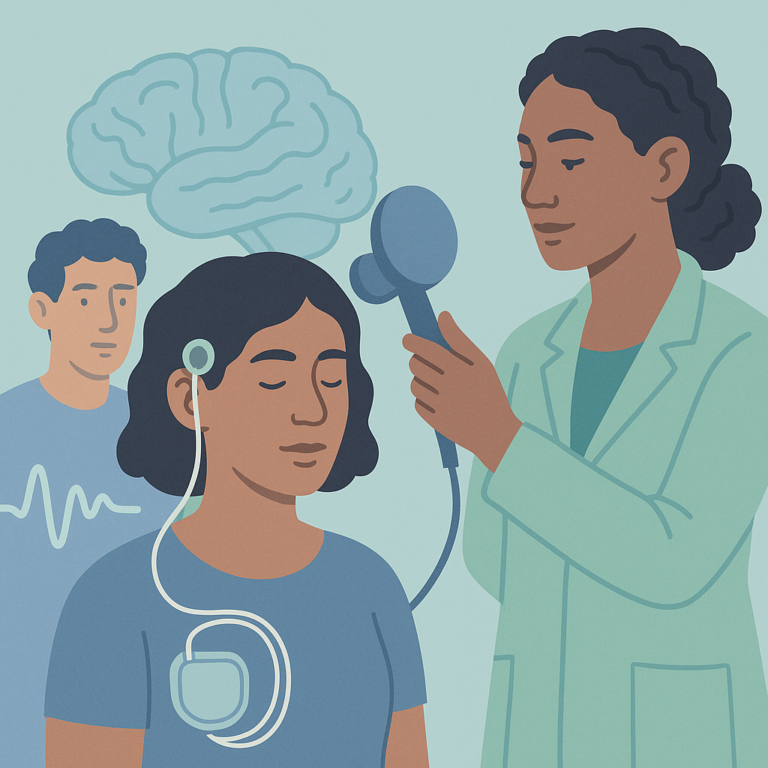
Researchers studied deep brain stimulation (DBS) as a treatment for people with epilepsy who do not respond to medications and cannot have surgery to remove the affected brain tissue.
Researchers studied two children with a rare type of epilepsy caused by changes in the WWOX gene.

This study looked at how epilepsy affects brain development in children aged 4 to 12 years who do not show clear signs of brain abnormalities on MRI scans.
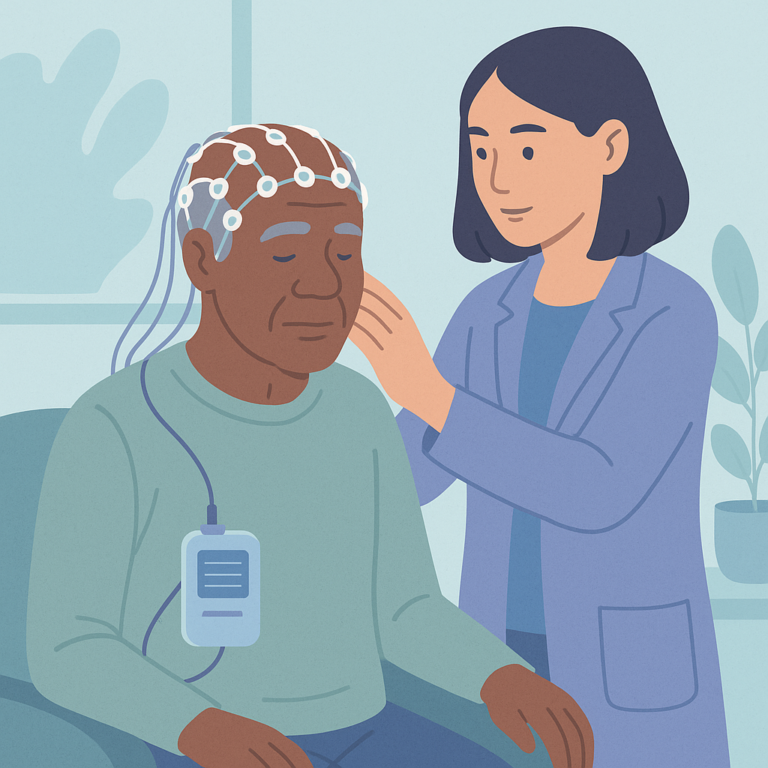
Researchers studied the use of a specific type of brain test called ambulatory EEG in older adults diagnosed with mild cognitive impairment (MCI) or dementia.
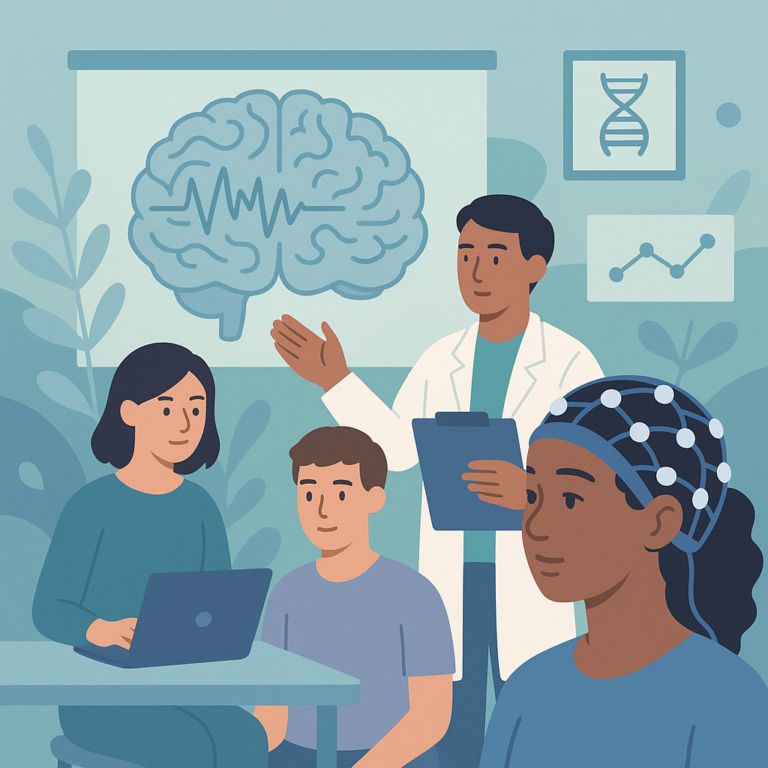
This study looked at how researchers have been studying endophenotypes in epilepsy over time.
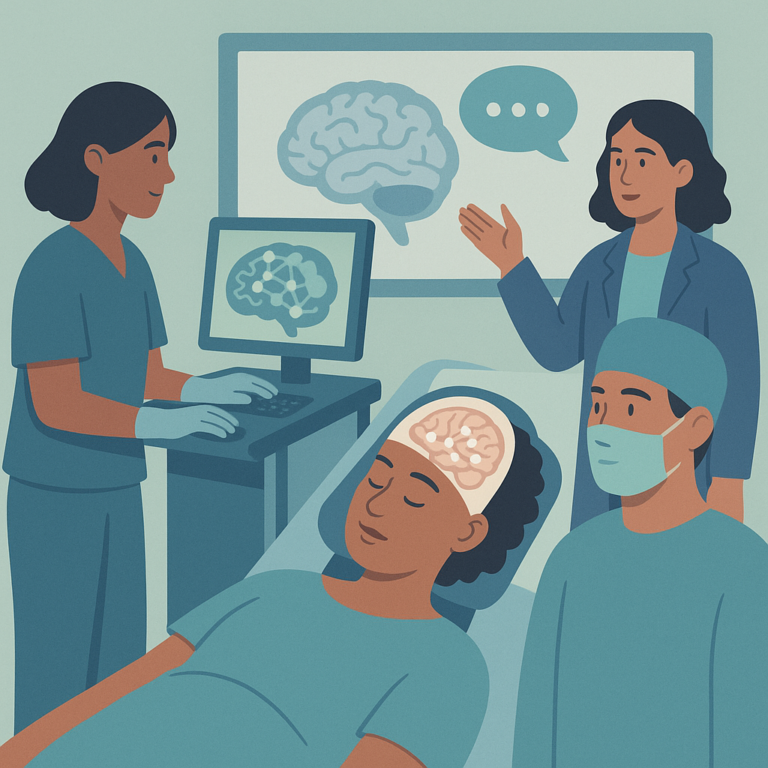
Researchers studied how electrical stimulation of the brain can help map language areas during epilepsy surgery.