Ttyh1 Protein Affects Neuron Structure and Complexity
This study looked at a protein called Tweety-homolog 1 (Ttyh1) and its effects on brain cells in rats.
This hub covers epilepsy genetics: how gene changes can contribute to seizures (often in children). We translate studies on testing, results like VUS, and what findings may change for care.
No. It’s common in pediatrics, but adults can benefit from genetic testing, too, especially with unclear diagnosis or family history.
Sometimes. For certain conditions, results can guide medication choice, diet therapies, or referral decisions.
It usually means “not enough evidence yet.” It shouldn’t be treated as a definite cause, but it can be reclassified over time.
Not necessarily. Testing can miss some variants, and new gene links are still being discovered.
This study looked at a protein called Tweety-homolog 1 (Ttyh1) and its effects on brain cells in rats.
This study looked at a specific gene called DARS2 and its connection to a type of genetic nerve disease known as Charcot-Marie-Tooth (CMT) disease.

Researchers studied how to better locate the area in the brain responsible for causing seizures in people with epilepsy, which is crucial for successful epilepsy surgery.
This study focused on understanding the role of microglia, a type of immune cell in the brain, in temporal lobe epilepsy (TLE), which is a common and hard-to-treat form of epilepsy.
Researchers studied a specific genetic change, called a frameshift variant, in a gene known as NPRL2.

Researchers studied the connection between ferroptosis, a specific type of cell death, and epilepsy.
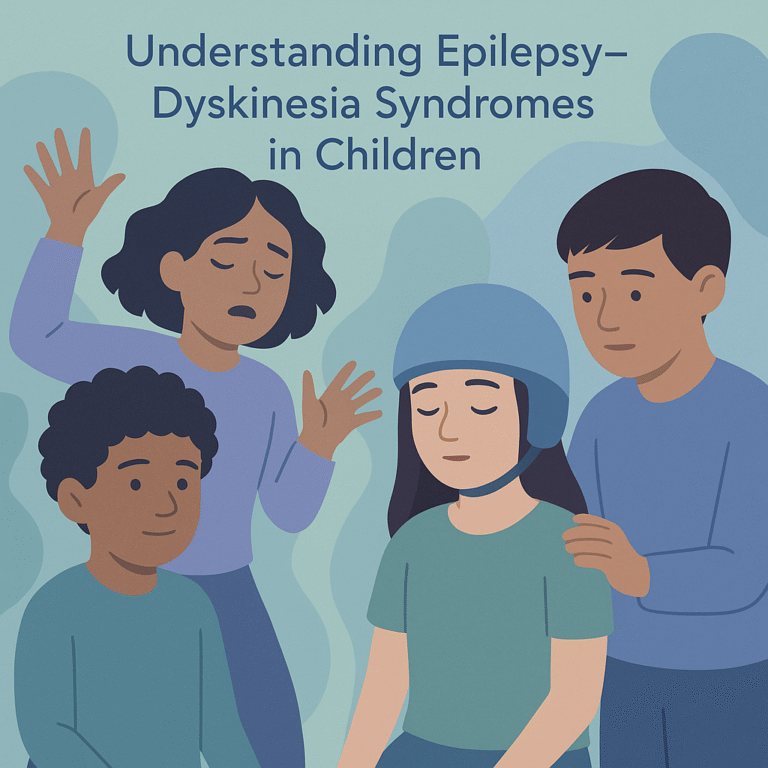
This study looked at epilepsy-dyskinesia syndromes (EDS), which are conditions where people experience both epilepsy and movement disorders.
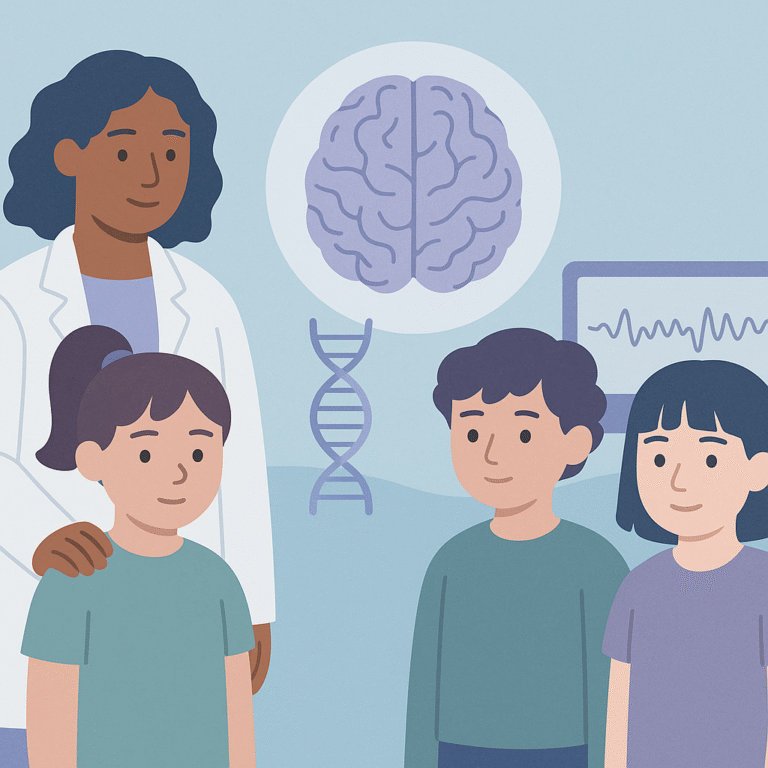
Researchers studied the relationship between genetic risk factors for a type of epilepsy called temporal lobe epilepsy with hippocampal sclerosis (TLE-HS) and brain structure in healthy children.
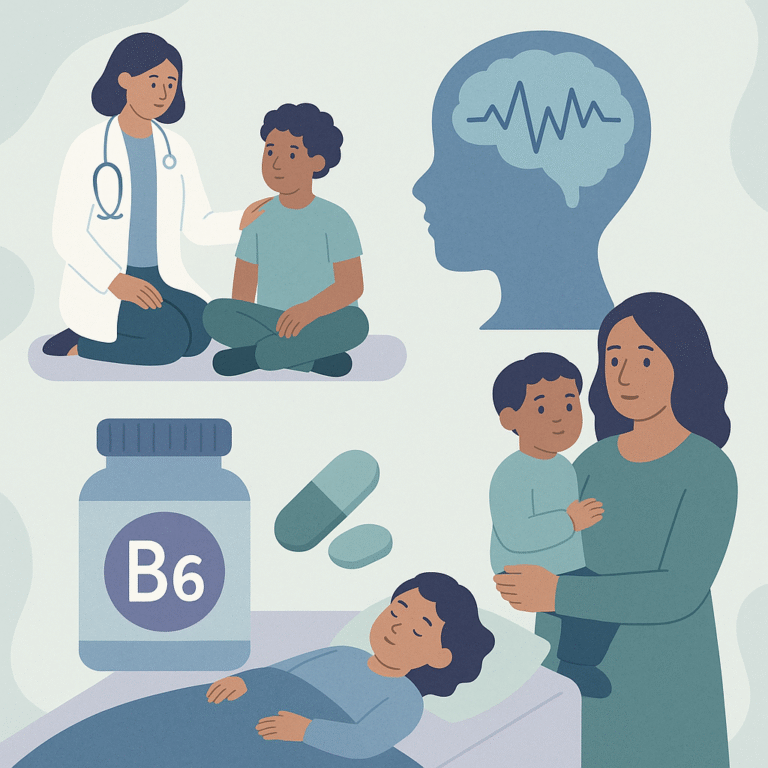
Researchers examined the effectiveness of different treatment approaches for pyridoxine-dependent epilepsy (PDE), a rare condition caused by genetic mutations.