New Insights on Frontal Lobe Epilepsy in Children
Researchers studied a case involving an 8-year-old boy with autism spectrum disorder (ASD) who experienced daily seizures.
This hub covers epilepsy EEG and MRI: how EEGs and brain imaging help doctors understand seizure patterns and possible causes. Clear explanations of common findings and what research suggests.
Yes. EEGs are a snapshot. Some people need repeat EEGs, sleep-deprived EEGs, or long-term monitoring.
Not always. It raises suspicion and risk, but diagnosis still depends on the full story.
To look for structural causes like scars, malformations, tumors, and stroke-related changes, which can guide treatment.
An inpatient or extended study that records EEG and video together to match symptoms to brain activity.
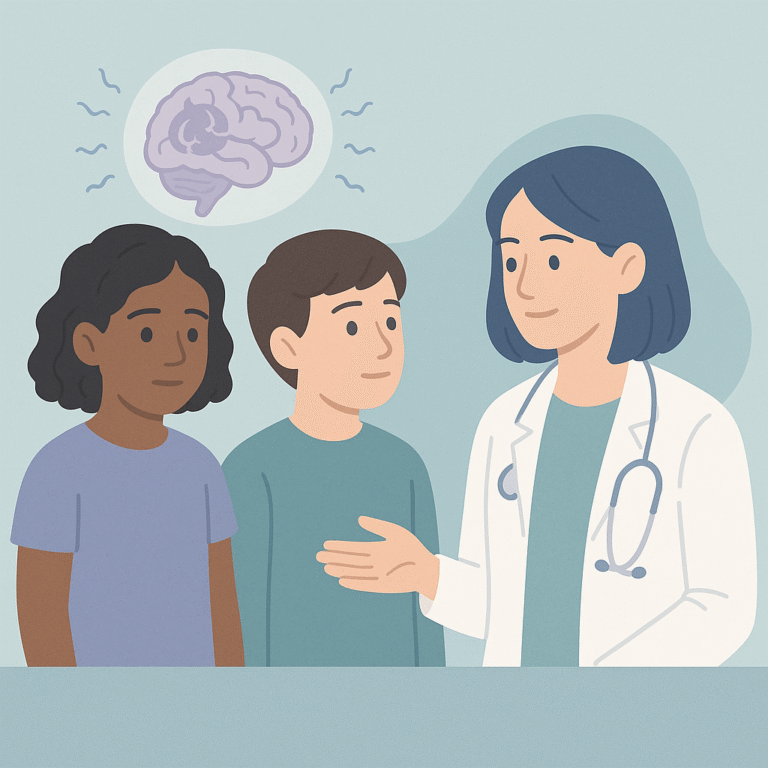
Researchers studied a case involving an 8-year-old boy with autism spectrum disorder (ASD) who experienced daily seizures.
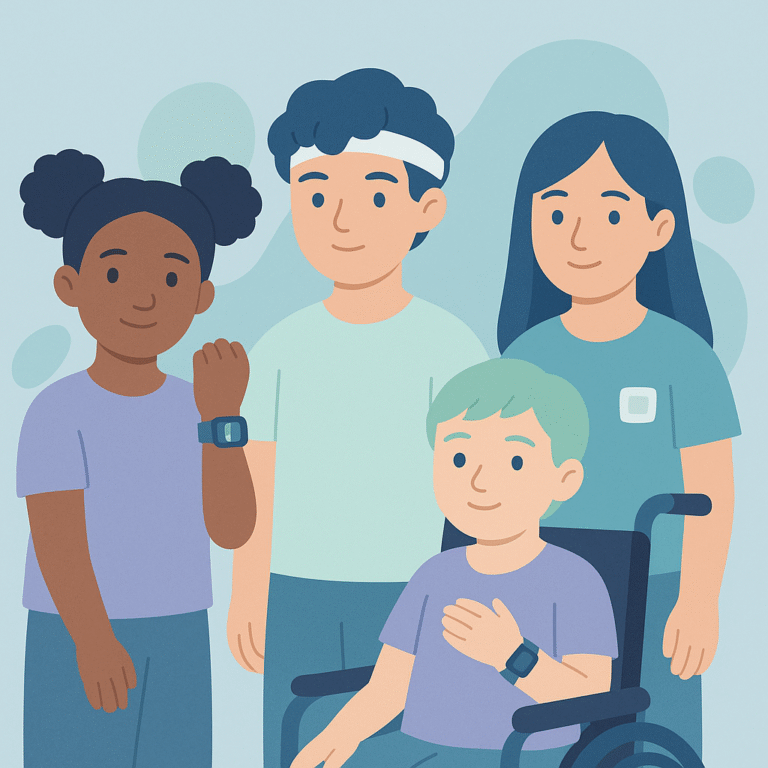
This study focused on children with self-limited epilepsy with centrotemporal spikes (SeLECTs), a common type of epilepsy in kids.
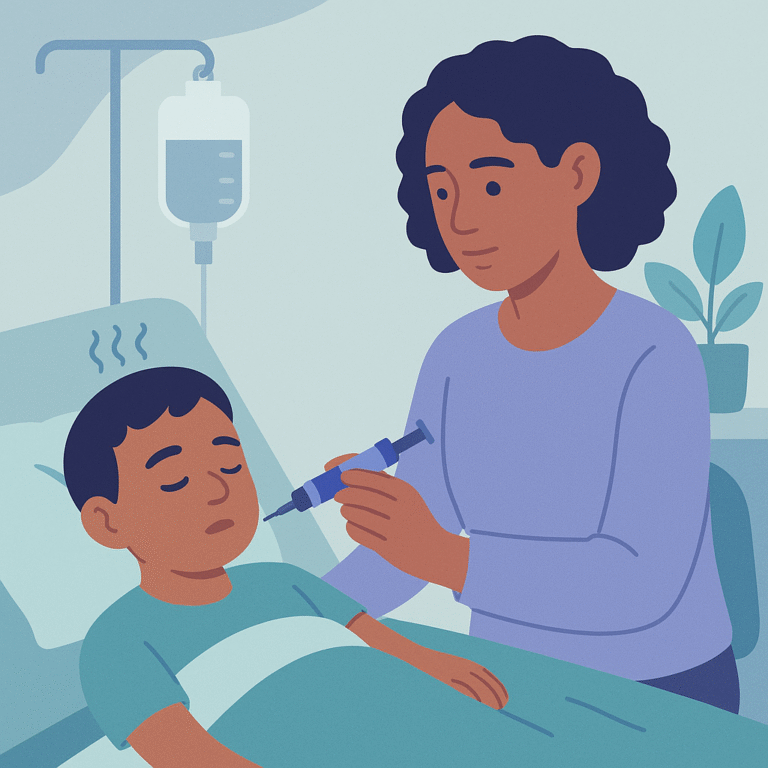
This study looked at children with a type of epilepsy called self-limited epilepsy with centrotemporal spikes (SeLECTS).
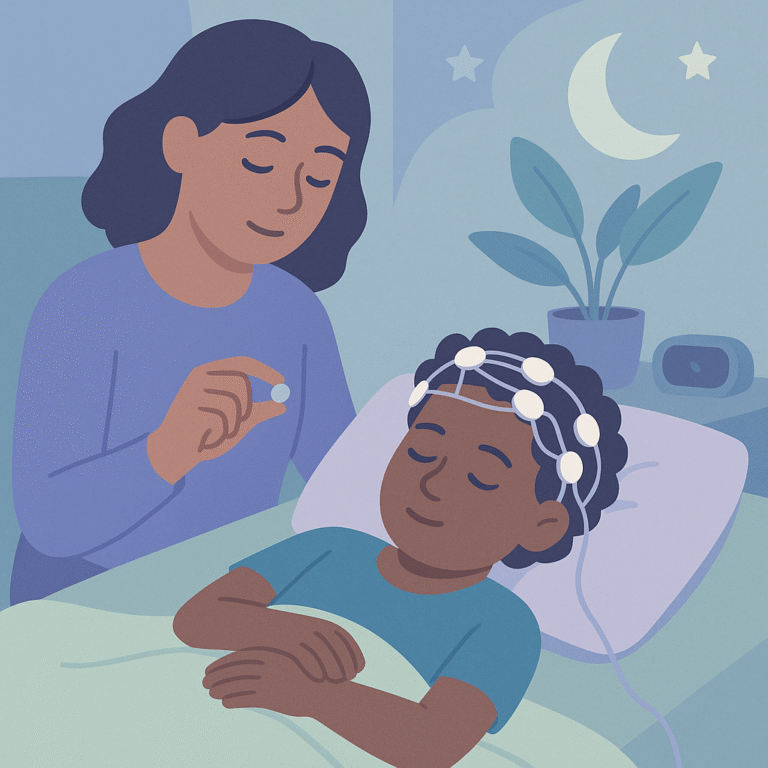
A study was conducted to compare two methods of inducing sleep for electroencephalography (EEG) tests in children with epilepsy.
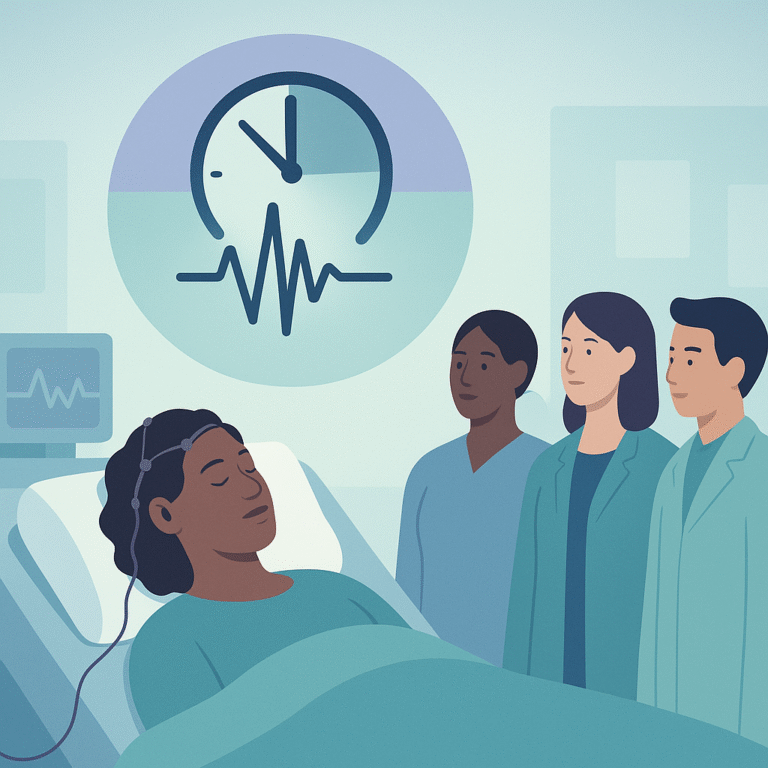
This study looked at how effective long-term video electroencephalogram monitoring (LTVM) is for detecting seizures in children and teenagers, specifically those who were hospitalized.
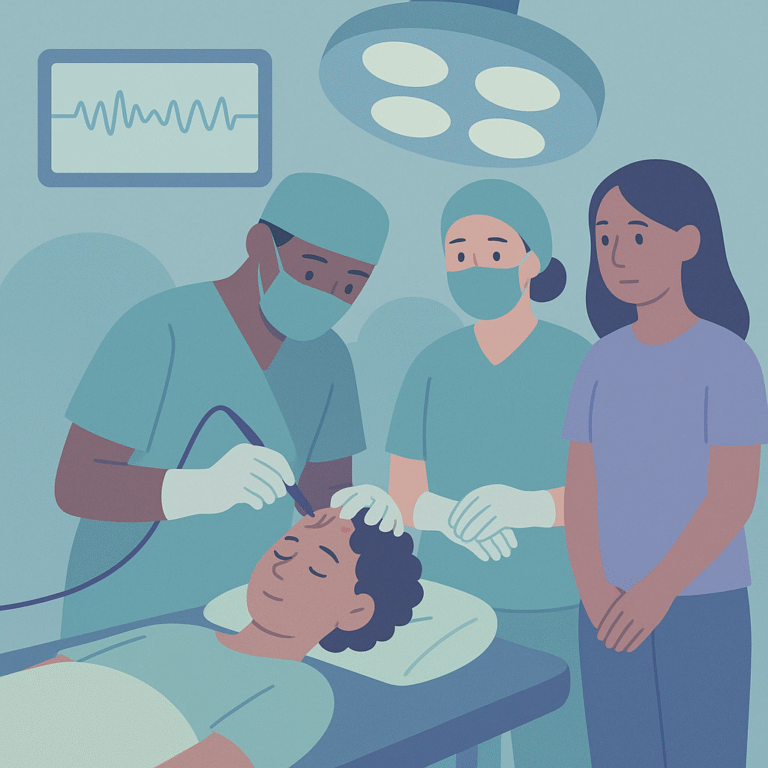
This study looked at how well epilepsy surgery works for people with autism spectrum disorder (ASD) who also have epilepsy.
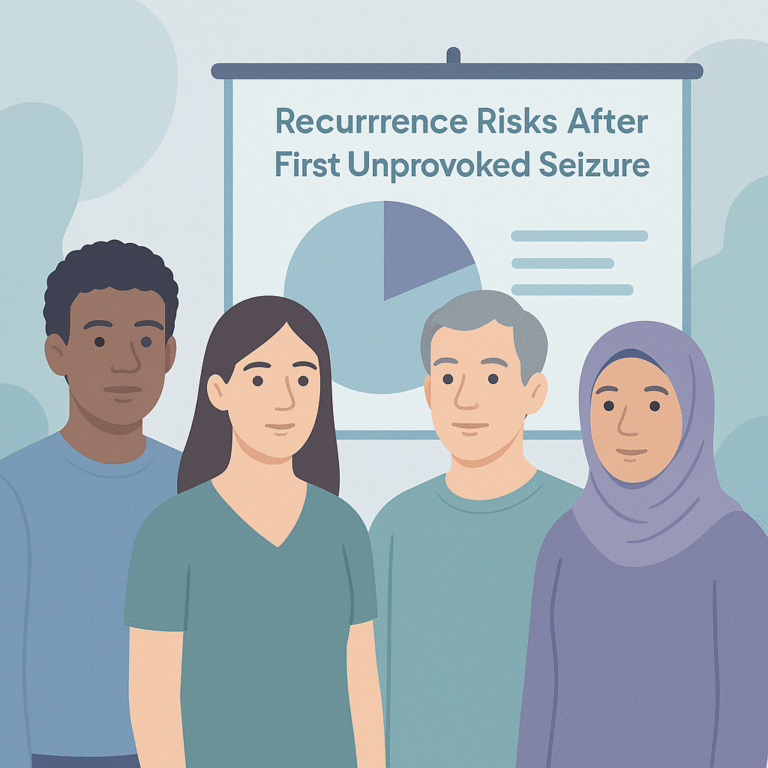
Researchers studied factors that might predict whether someone will have another seizure after experiencing their first unprovoked seizure.
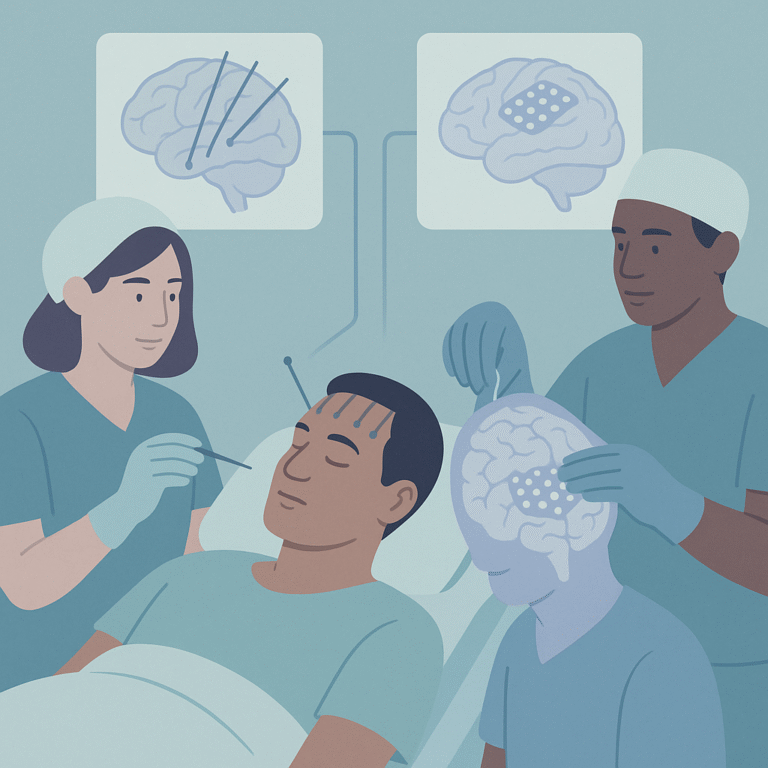
Researchers studied two methods used to monitor brain activity in people with epilepsy: stereoelectroencephalography (SEEG) and subdural electrodes (SDE).
This study looked at children with drug-resistant epilepsy, which means their seizures do not respond well to medication.