Machine Learning Tool Shows Promise for Detecting EEG Spikes
This study looked at how well a machine learning software called P15 can detect interictal epileptiform discharges (IEDs) in EEG recordings from patients at a large hospital in England.
This hub covers epilepsy EEG and MRI: how EEGs and brain imaging help doctors understand seizure patterns and possible causes. Clear explanations of common findings and what research suggests.
Yes. EEGs are a snapshot. Some people need repeat EEGs, sleep-deprived EEGs, or long-term monitoring.
Not always. It raises suspicion and risk, but diagnosis still depends on the full story.
To look for structural causes like scars, malformations, tumors, and stroke-related changes, which can guide treatment.
An inpatient or extended study that records EEG and video together to match symptoms to brain activity.
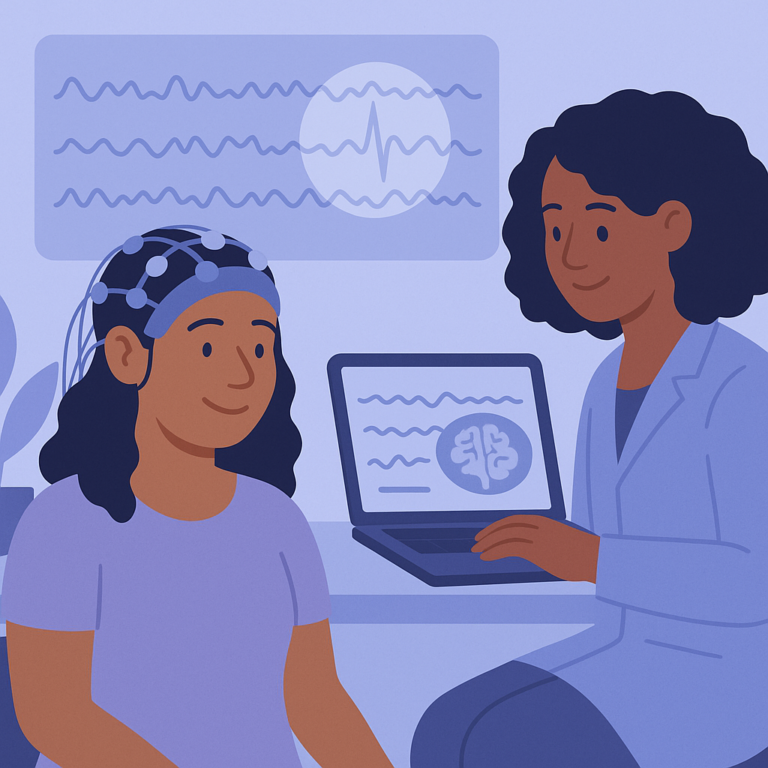
This study looked at how well a machine learning software called P15 can detect interictal epileptiform discharges (IEDs) in EEG recordings from patients at a large hospital in England.

Researchers studied how different doses of antiseizure medication (ASM) affect the autonomic nervous system (ANS) in children with epilepsy.
Researchers looked at clinical trials for adult-type diffuse gliomas, a type of brain tumor, to see how seizures were reported.
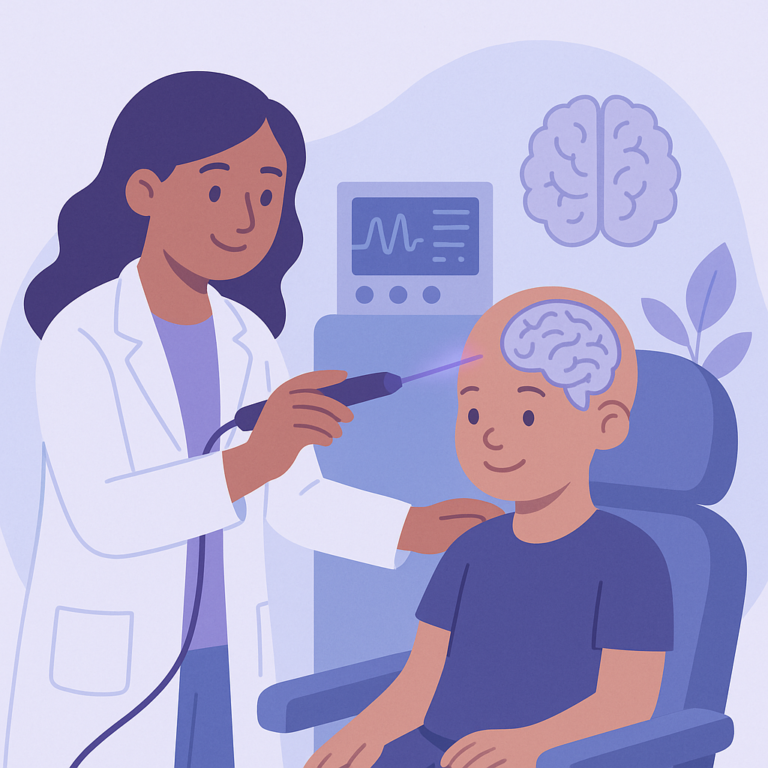
This study looked at the use of MRI-guided laser therapy (MRgLITT) in 88 children and teenagers with various brain conditions, including epilepsy, brain tumors, and cavernous malformations.
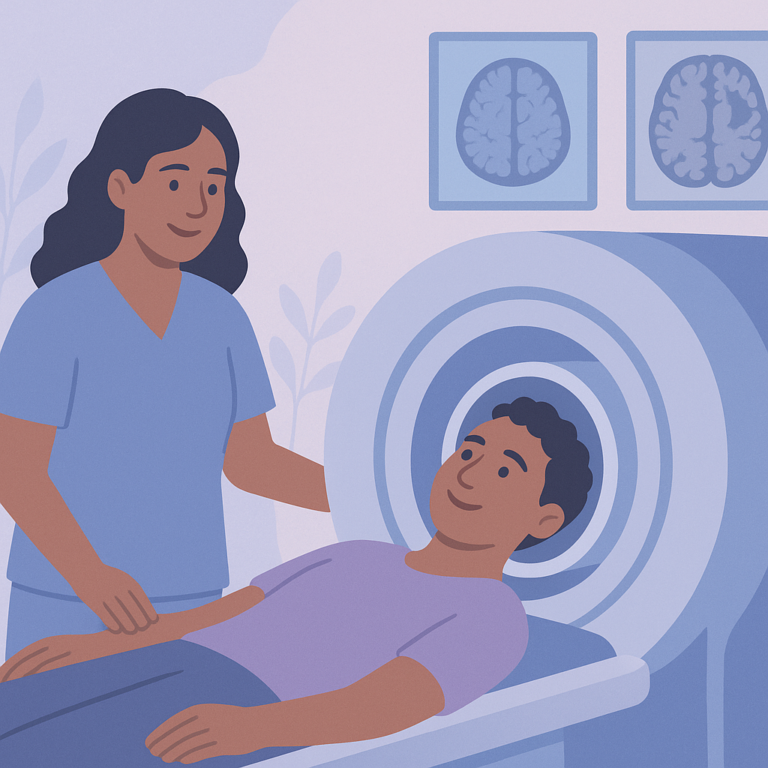
Researchers studied different MRI techniques to find focal cortical dysplasia (FCD), a condition that can cause severe epilepsy that doesn’t respond to medication.
This study looked at the outcomes of surgery for children with epilepsy caused by a brain condition called focal cortical dysplasia (FCD).
This study looked at children who have delays in language development to see how common certain brain activity patterns, called epileptiform discharges, are among them.
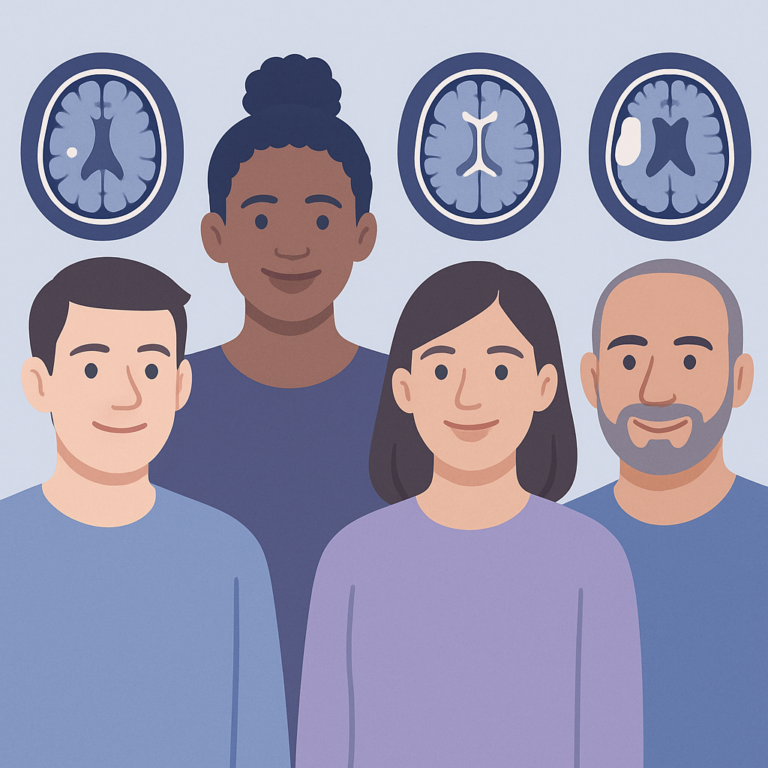
Researchers studied brain MRI scans of 139 children with specific genetic types of epilepsy linked to four genes: SCN1A, SCN2A, SCN3A, and SCN8A.
Researchers studied six children from South India who have a rare type of epilepsy called KCTD7-related progressive myoclonic epilepsy (PME).