New Method Detects Seizure Warning Signs in Children
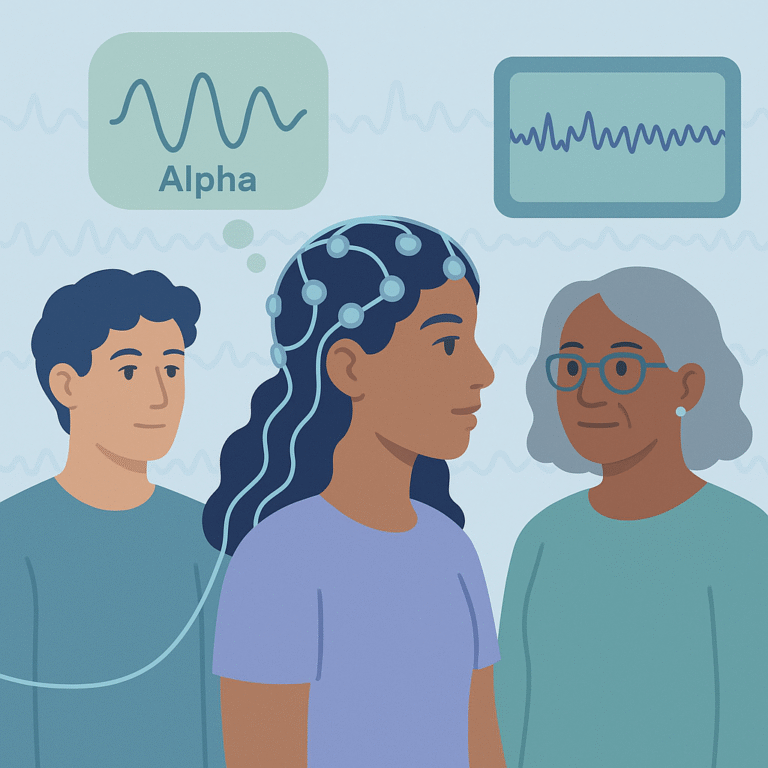
This study focused on how to identify early signs of seizures in children by analyzing their brain activity, specifically through EEG (electroencephalogram) readings.
This hub covers epilepsy EEG and MRI: how EEGs and brain imaging help doctors understand seizure patterns and possible causes. Clear explanations of common findings and what research suggests.
Yes. EEGs are a snapshot. Some people need repeat EEGs, sleep-deprived EEGs, or long-term monitoring.
Not always. It raises suspicion and risk, but diagnosis still depends on the full story.
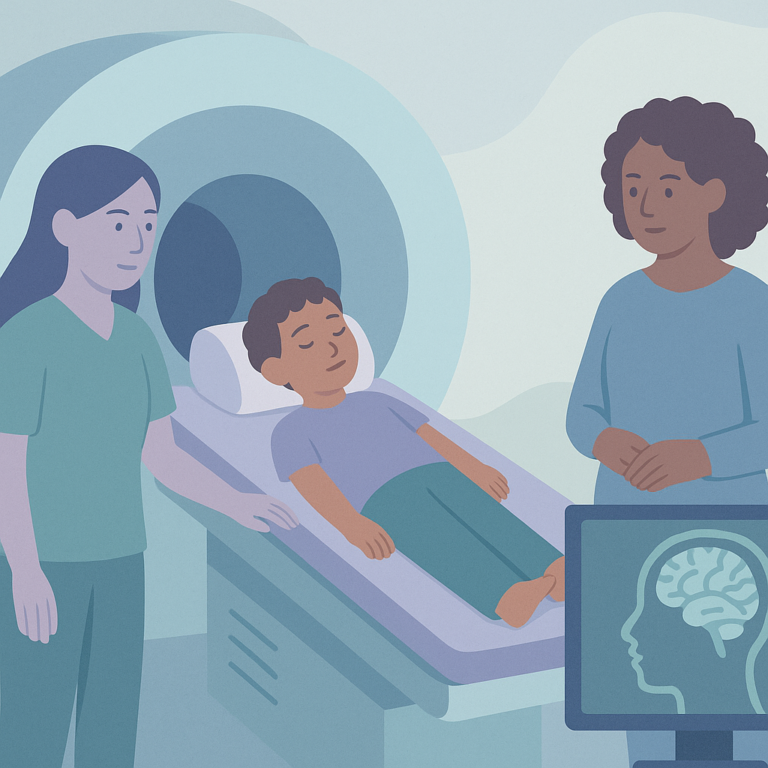
To look for structural causes like scars, malformations, tumors, and stroke-related changes, which can guide treatment.
An inpatient or extended study that records EEG and video together to match symptoms to brain activity.
This study focused on how to identify early signs of seizures in children by analyzing their brain activity, specifically through EEG (electroencephalogram) readings.
This study looked at children with focal cortical dysplasia (FCD), a common cause of epilepsy, to understand how it affects their executive function, which includes skills like planning and organizing.
In this study, researchers looked at how sevoflurane anesthesia affects brain activity in children with drug-resistant focal epilepsy.
Researchers studied a 9-year-old girl with a rare movement disorder linked to a mutation in the GNAO1 gene.
This study looked at the effects of a plant extract called Ammi visnaga, commonly known as the toothpick plant, on seizures in mice.
This study looked at the occurrence of seizures and epilepsy in children diagnosed with leukodystrophies, which are rare brain disorders that affect the white matter of the brain.
A recent study from Sweden looked at the risk of developing epilepsy after infants experienced seizures shortly after birth.
Researchers studied a new method called transcranial temporal interference stimulation (tTIS) to see how it can help people with various neurological and psychiatric disorders.
This study looked at how to recognize early seizures that can happen after a stroke, focusing on adults who had either an ischemic stroke or a type of bleeding in the brain.