Wearable Device Improves Seizure Detection in Epilepsy Units
This study looked at how well a wrist-worn device called Embrace2 can detect seizures in patients at an epilepsy monitoring unit (EMU).
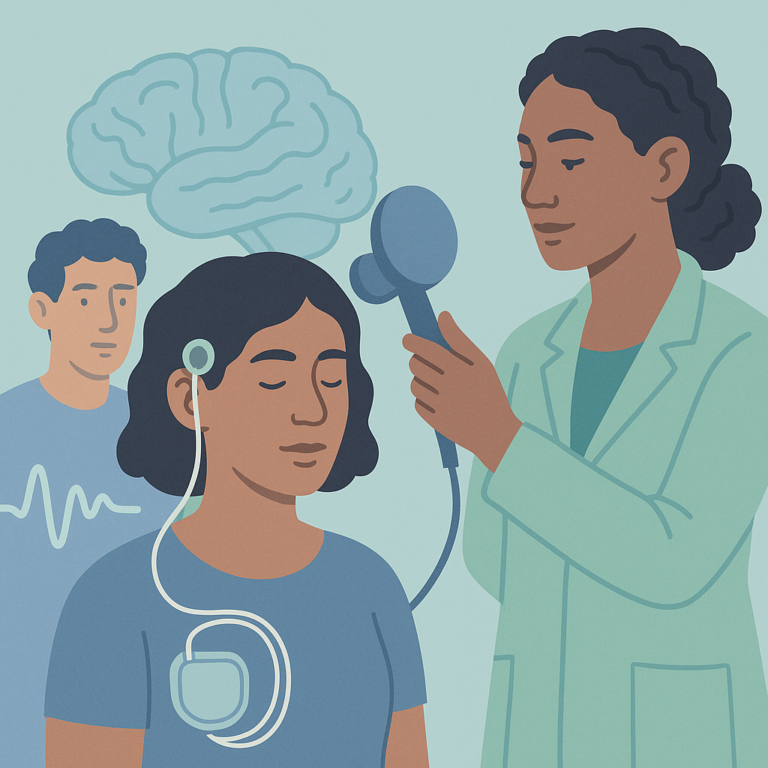
This hub covers epilepsy devices and neuromodulation like VNS, RNS, and DBS, which are treatments that can reduce seizures when meds aren’t enough. Plain-language research summaries plus real-life pros/cons.
Some are used more often in adults, but pediatric use depends on the device, the case, and specialist guidance.
Often gradually. Improvement can build over months as settings are optimized.
Sometimes medication can be reduced, but many people still use meds alongside a device.
Sometimes yes, with device-specific rules. Always check the exact device guidelines first.
This study looked at how well a wrist-worn device called Embrace2 can detect seizures in patients at an epilepsy monitoring unit (EMU).
This study looked at a new medication called ES-481, which is being developed to help people with drug-resistant epilepsy.
Researchers studied how the timing of biological rhythms affects seizures in people with epilepsy.
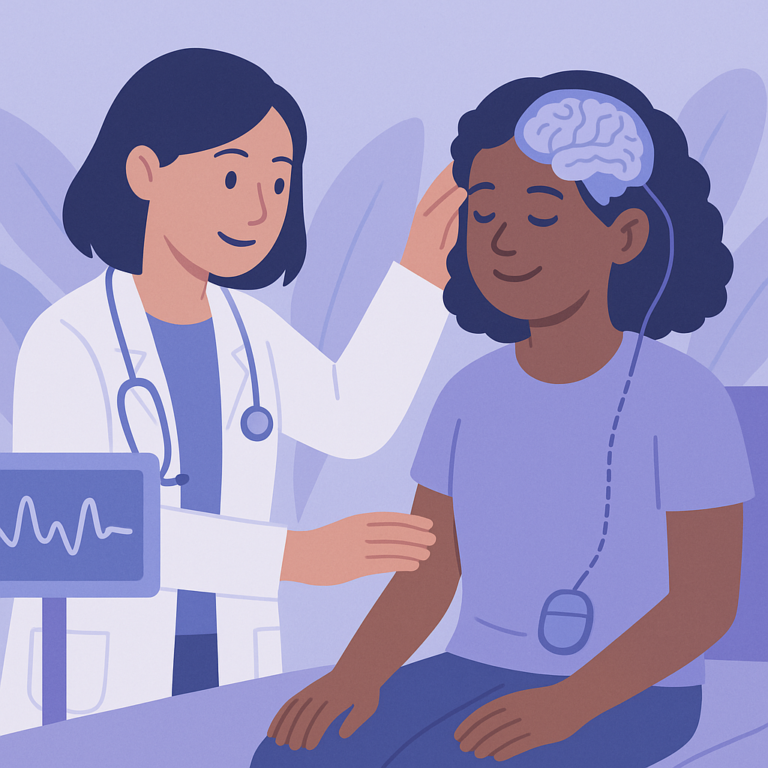
A study was conducted on a 16-year-old patient with drug-resistant epilepsy (DRE), which means their seizures did not respond to standard treatments.
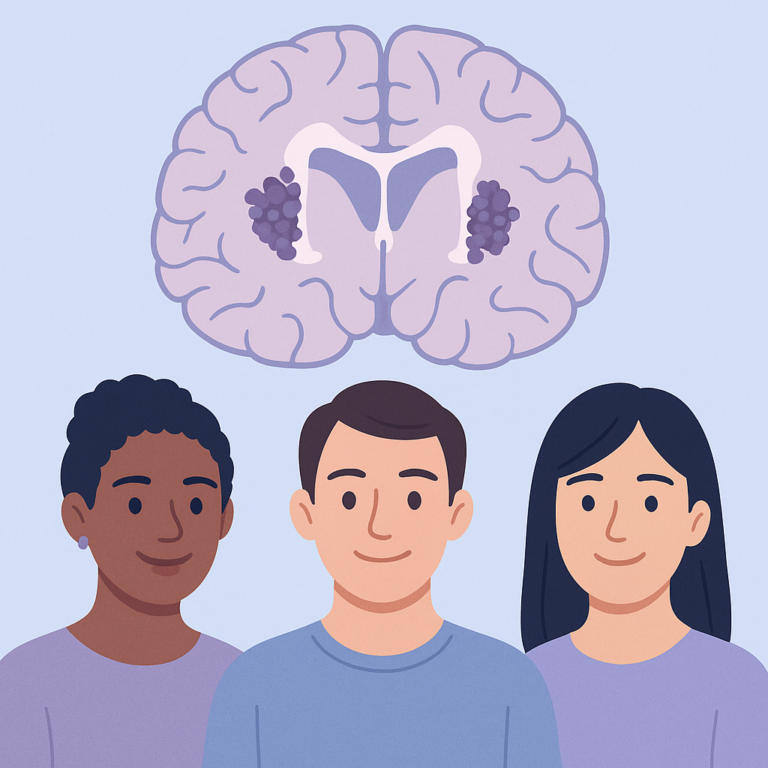
Researchers studied a group of 32 individuals with a specific brain condition called bilateral frontal periventricular nodular heterotopia (PVNH).
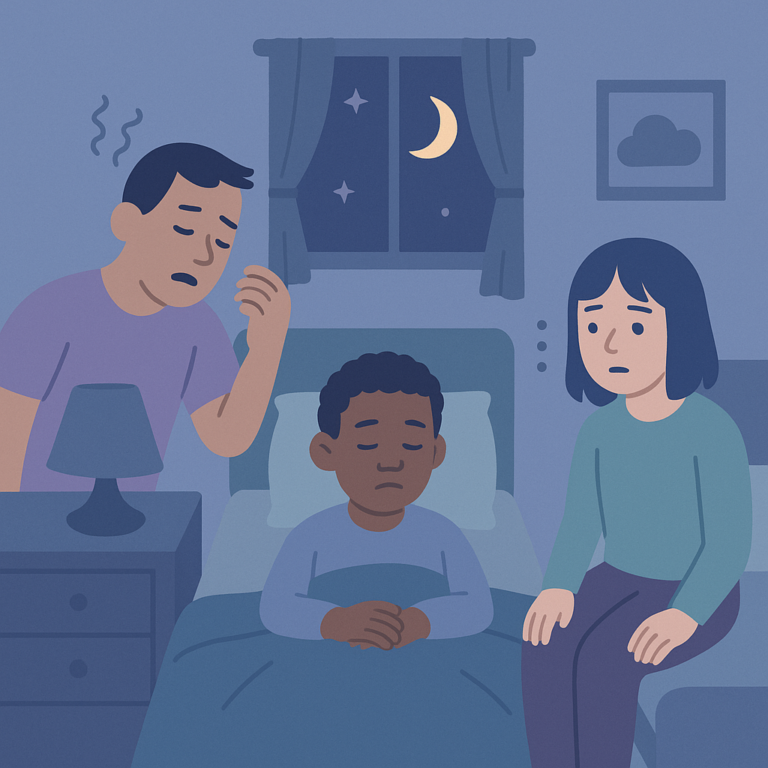
Researchers studied sleep patterns in people with Lennox-Gastaut syndrome (LGS), a severe form of epilepsy that affects development and causes multiple types of seizures.
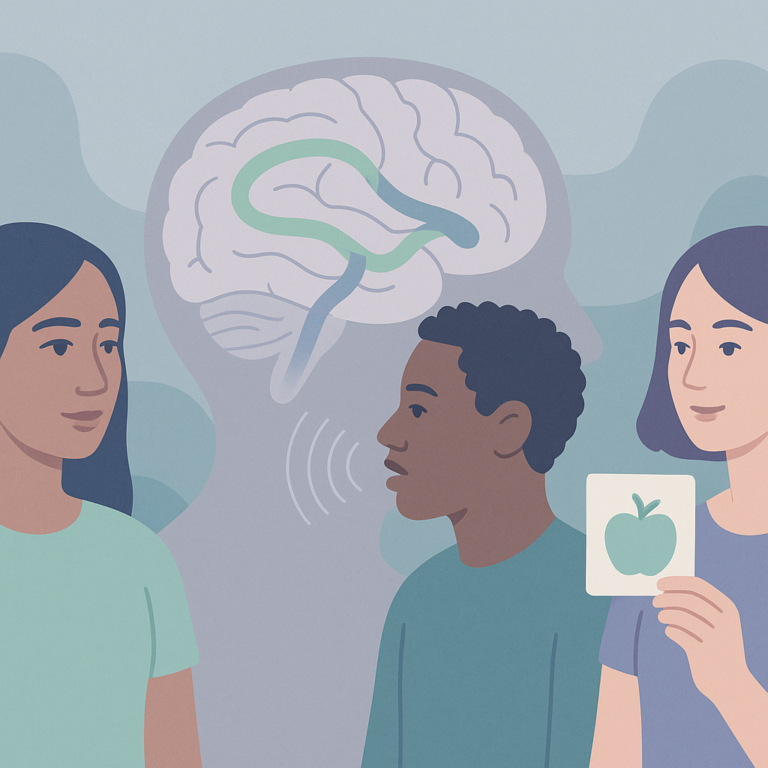
Researchers studied how different parts of the brain work together during speech tasks, focusing on patients with drug-resistant epilepsy who were preparing for surgery.
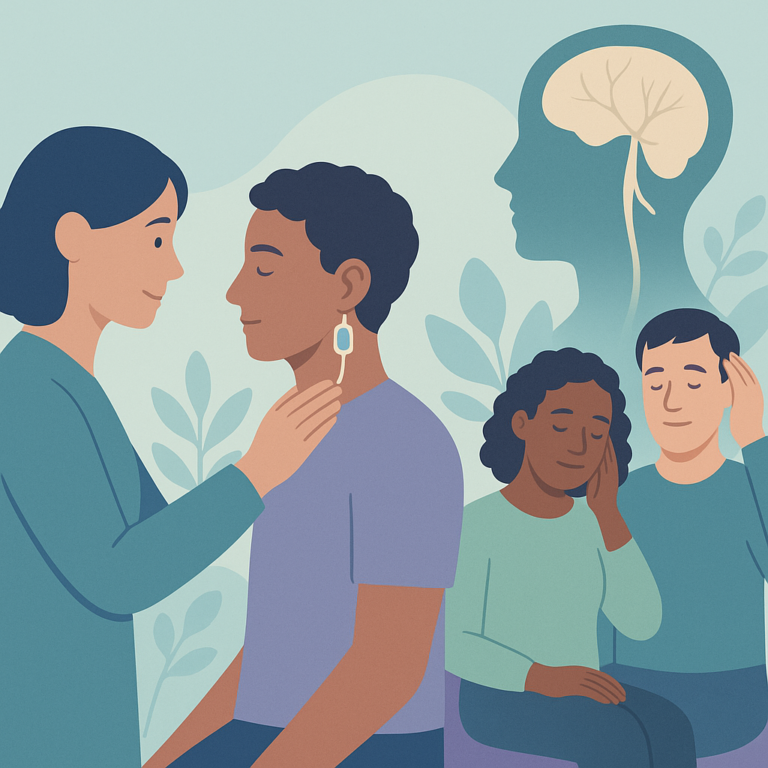
In this study, researchers looked at the effects of a treatment called transcutaneous auricular vagus nerve stimulation (taVNS) on patients who have both epilepsy and migraine.
Researchers studied deep brain stimulation (DBS) as a treatment for people with epilepsy who do not respond to medications and cannot have surgery to remove the affected brain tissue.