Mobile App Helps Kids with Epilepsy Remember Medications
A study was conducted to see if a mobile app called “Epilepto” could help children with drug-resistant epilepsy remember to take their medications.
This hub covers drug-resistant epilepsy: When seizures aren’t controlled after trying two appropriate medicines. Research-backed next steps on diet therapies, devices, surgery evaluation, and safety.
If seizures aren’t controlled after two meds, it’s worth at least an evaluation at an epilepsy center.
Not necessarily. Some familiar consider it earlier depending on seizure type and goals.
Yes. Treatment response can change over time, and combinations/approaches matter.
Seizure frequency, triggers, sleep, missed meds, side effects, and rescue med use.
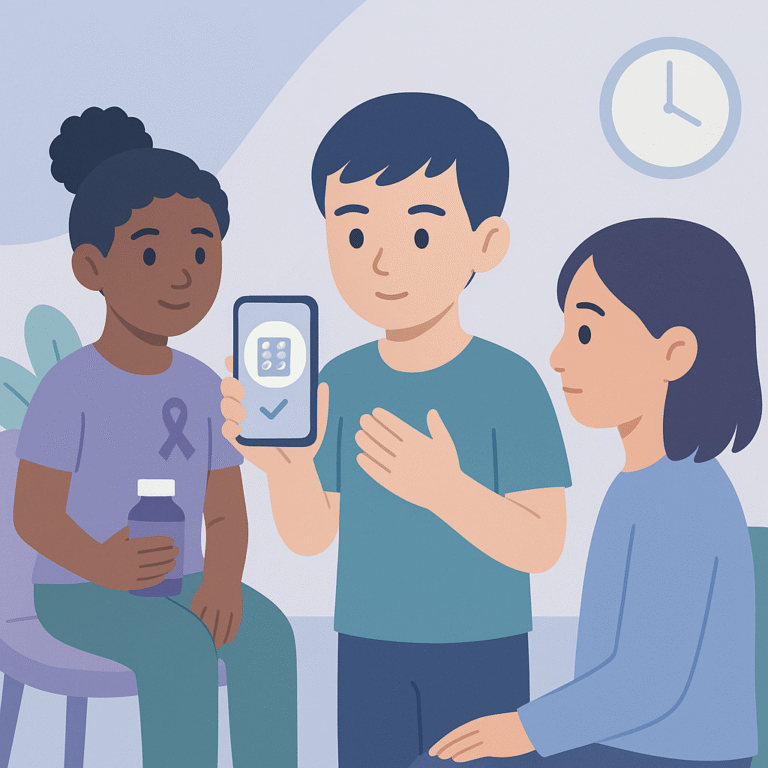
A study was conducted to see if a mobile app called “Epilepto” could help children with drug-resistant epilepsy remember to take their medications.
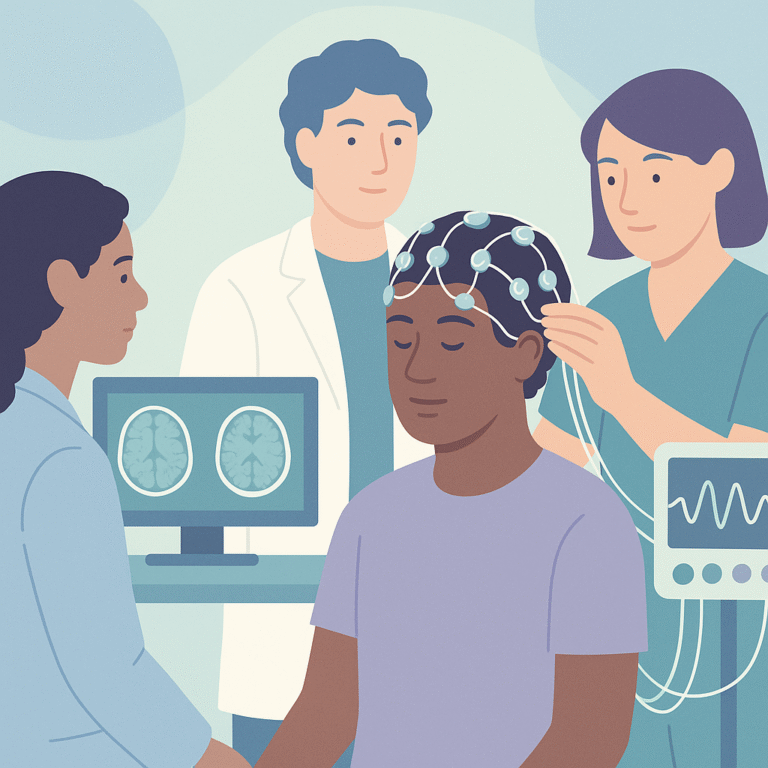
Researchers studied the use of two types of brain monitoring—scalp EEG (scEEG) and stereo EEG (SEEG)—in patients with drug-resistant epilepsy.
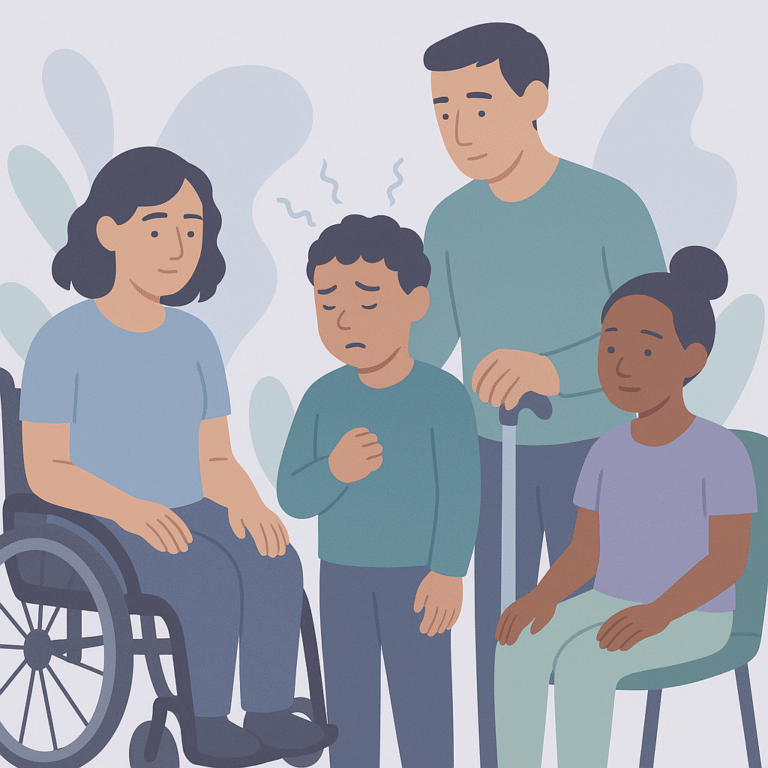
Researchers studied a patient with severe muscle weakness, a condition known as arthrogryposis, and epilepsy that did not respond to treatment.
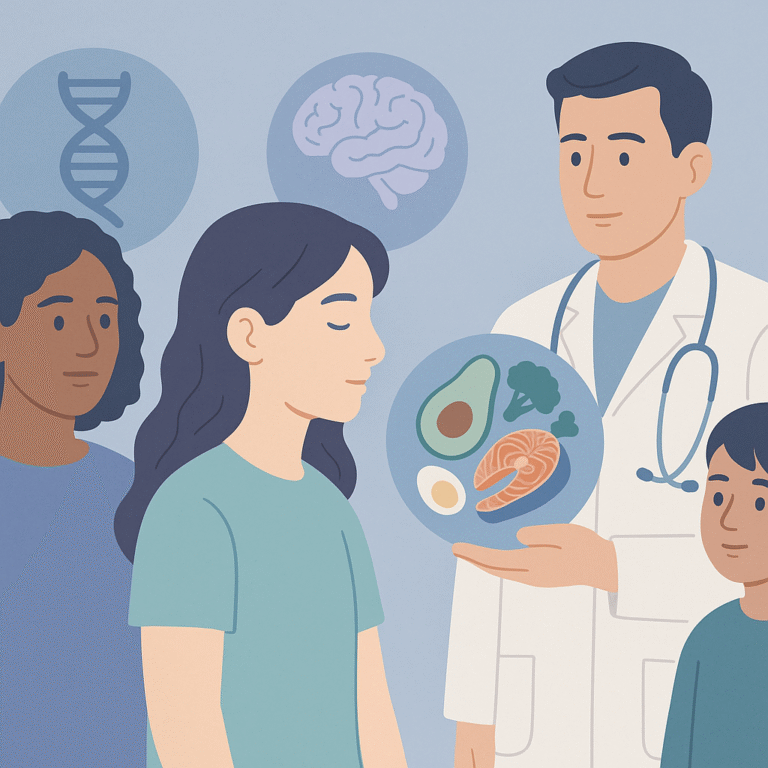
This study looked at how effective the ketogenic diet therapy (KDT) is for children with drug-resistant epilepsy caused by specific genetic mutations.
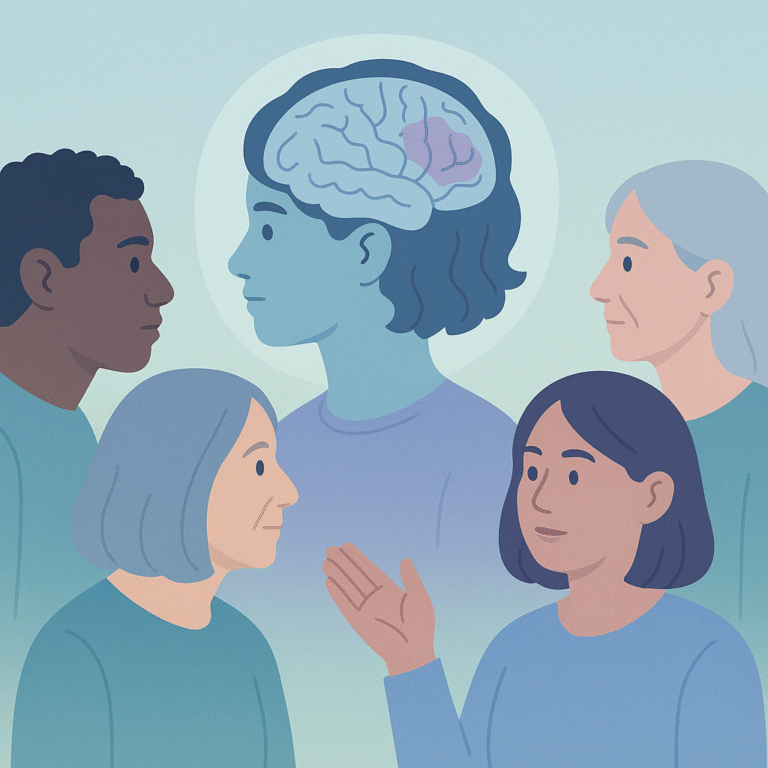
This study focused on understanding the brain structure in a specific condition called focal cortical dysplasia (FCD), which is a common cause of epilepsy that does not respond well to medication.
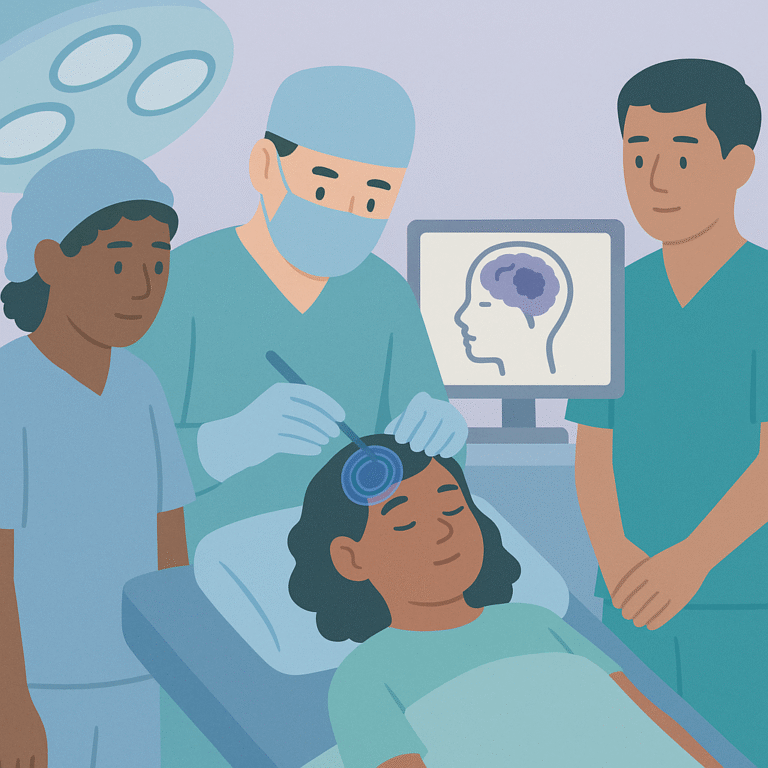
Researchers studied children with drug-resistant epilepsy (DRE) to find better ways to predict the success of epilepsy surgery.
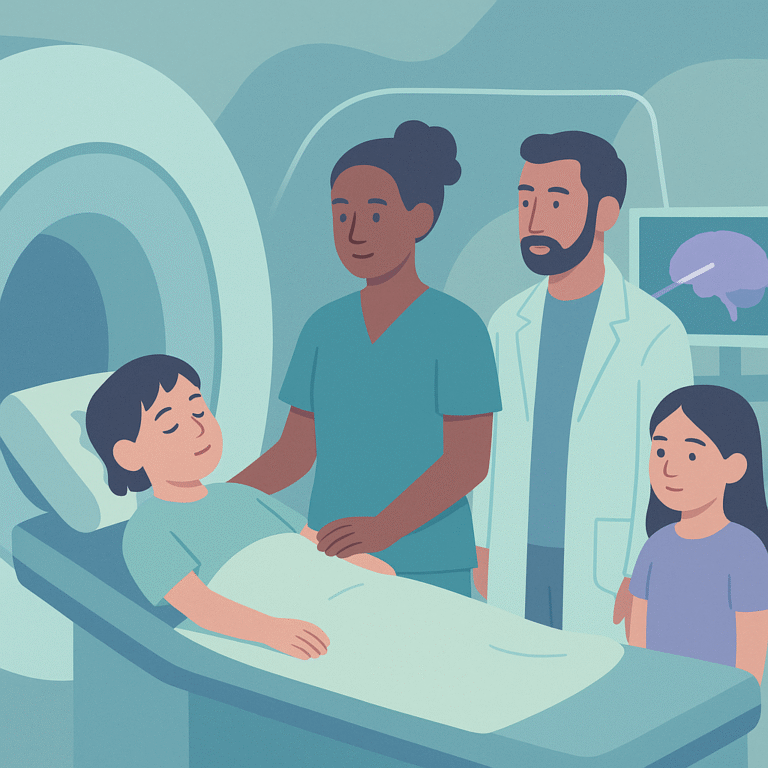
Researchers studied the use of magnetic resonance-guided laser interstitial thermal therapy (MRgLITT) as a treatment for children with drug-resistant epilepsy, which means their seizures do not respond to standard medications.
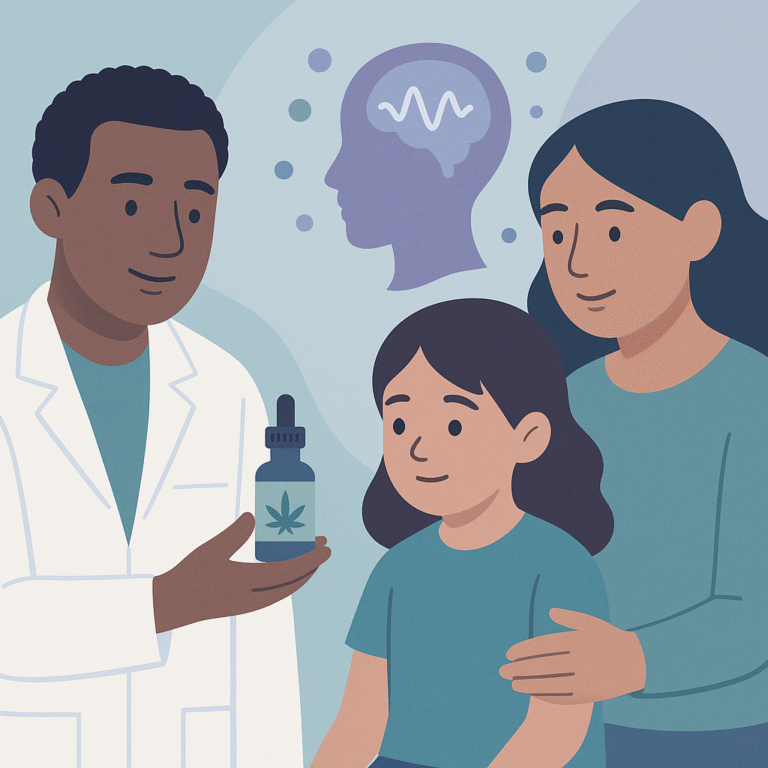
This study looked at how effective and safe cannabidiol (CBD) is for children with drug-resistant epilepsy.
Researchers studied a genetic condition called SCN2A haploinsufficiency, which is linked to neurodevelopmental disorders like autism and epilepsy.