Understanding Pyridoxine-Dependent Epilepsy in Newborns
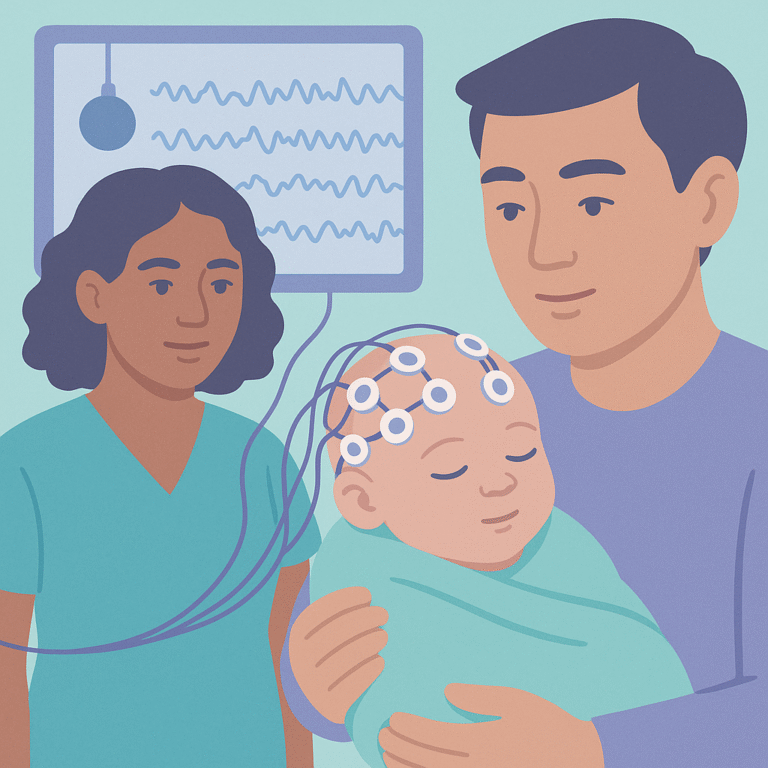
Researchers studied a rare condition called Pyridoxine-Dependent Epilepsy (PDE), which is caused by changes in a gene known as ALDH7A1.
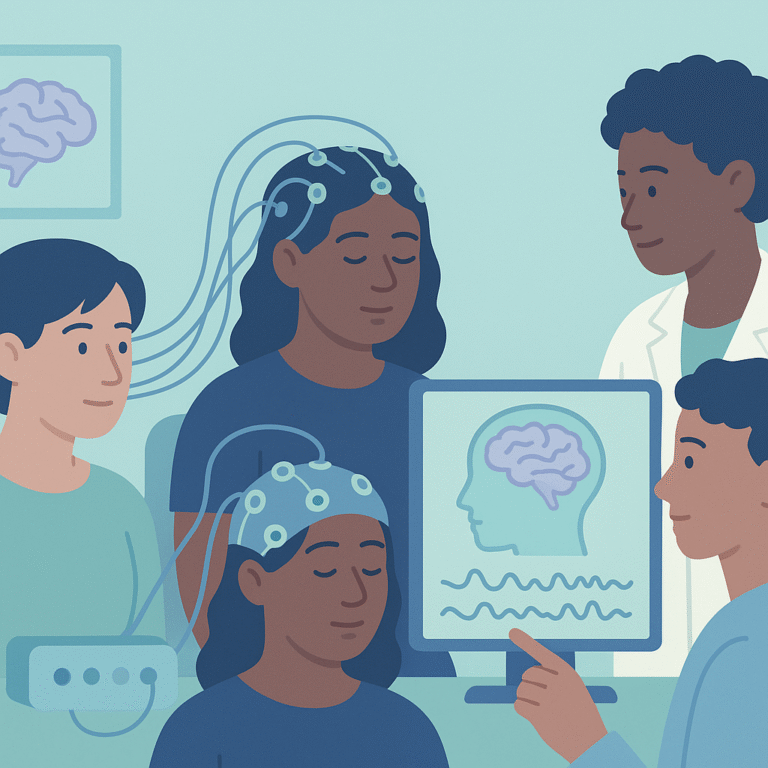
This hub covers epilepsy EEG and MRI: how EEGs and brain imaging help doctors understand seizure patterns and possible causes. Clear explanations of common findings and what research suggests.
Yes. EEGs are a snapshot. Some people need repeat EEGs, sleep-deprived EEGs, or long-term monitoring.
Not always. It raises suspicion and risk, but diagnosis still depends on the full story.
To look for structural causes like scars, malformations, tumors, and stroke-related changes, which can guide treatment.
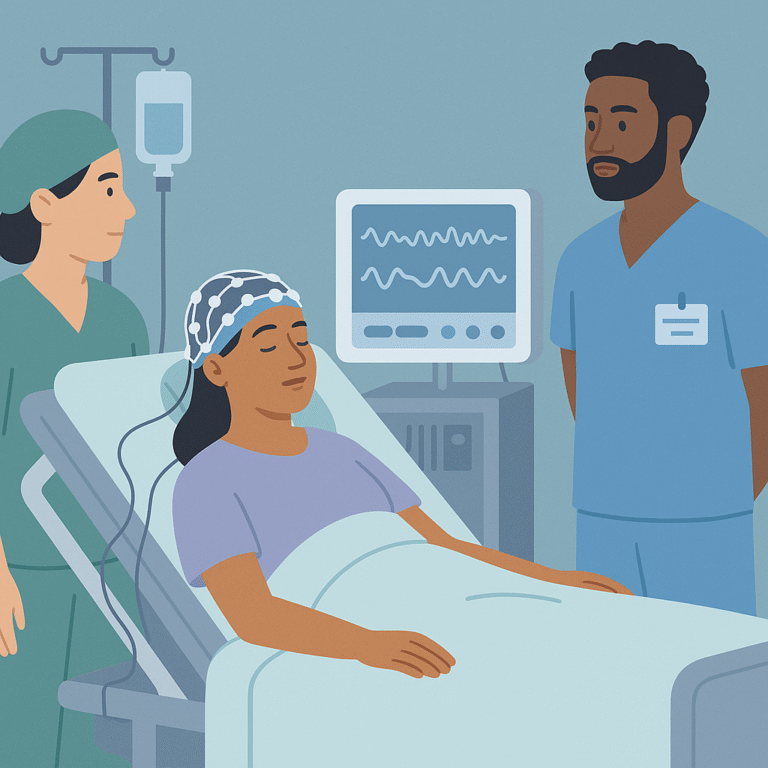
An inpatient or extended study that records EEG and video together to match symptoms to brain activity.
Researchers studied a rare condition called Pyridoxine-Dependent Epilepsy (PDE), which is caused by changes in a gene known as ALDH7A1.
Researchers studied the use of stereoelectroencephalography (SEEG) in patients with drug-resistant focal epilepsy.
Researchers studied two methods used to monitor brain activity in people with epilepsy: stereoelectroencephalography (SEEG) and subdural electrodes (SDE).
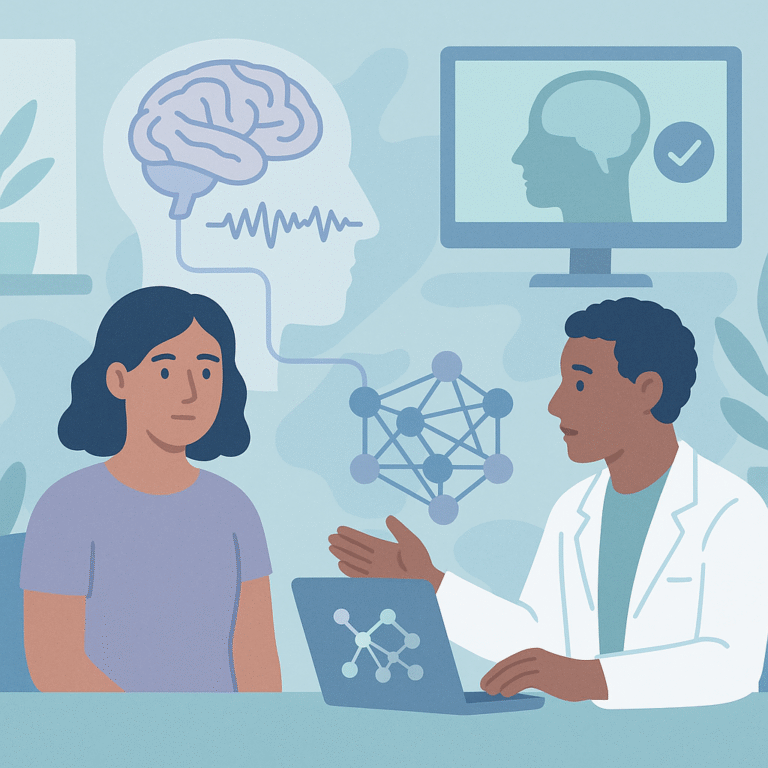
This study focused on how artificial intelligence (AI) can help predict how well people with epilepsy will respond to their first two antiseizure medications (ASMs).
This study looked at how the glymphatic system, which helps clear waste from the brain, functions in different types of temporal lobe epilepsy (TLE).
This study looked at children with epilepsy and movement disorders, known as EPIMDs, to better understand their genetic causes and how these conditions present.
Researchers studied 160 patients with absence seizures linked to specific genetic causes, known as monogenic epilepsies.
Researchers studied how well machine learning could predict the effectiveness of anti-seizure medications (ASMs) using routine EEG tests.
Researchers studied non-convulsive status epilepticus (NCSE) in unconscious patients in intensive care units (ICUs).