New Standards for Epilepsy Fellowship Training in Canada
Researchers studied how to improve epilepsy fellowship training programs in Canada.
This hub covers epilepsy EEG and MRI: how EEGs and brain imaging help doctors understand seizure patterns and possible causes. Clear explanations of common findings and what research suggests.
Yes. EEGs are a snapshot. Some people need repeat EEGs, sleep-deprived EEGs, or long-term monitoring.
Not always. It raises suspicion and risk, but diagnosis still depends on the full story.
To look for structural causes like scars, malformations, tumors, and stroke-related changes, which can guide treatment.
An inpatient or extended study that records EEG and video together to match symptoms to brain activity.
Researchers studied how to improve epilepsy fellowship training programs in Canada.
This study looked at how well a new type of EEG monitoring works for people with severe forms of epilepsy, specifically developmental and epileptic encephalopathies (DEEs).
Researchers studied children who experienced perinatal arterial ischemic stroke (PAIS), a type of stroke that occurs around the time of birth and can lead to long-term health issues.
This study focused on children aged 1 month to 18 years who experienced new-onset focal seizures, which are seizures that start in one area of the brain.
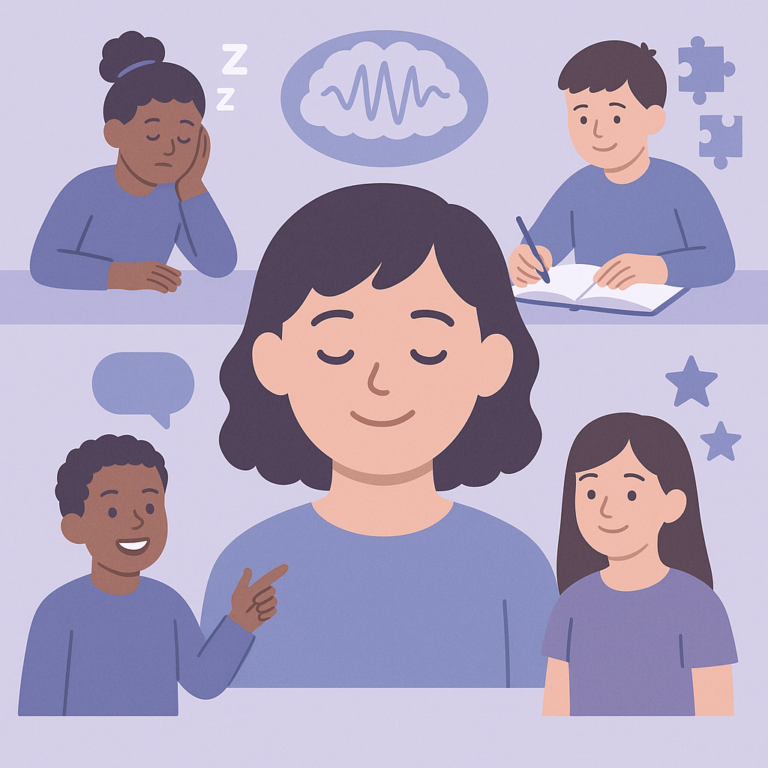
Researchers studied juvenile absence epilepsy (JAE) to understand how it affects the brain and cognitive abilities.
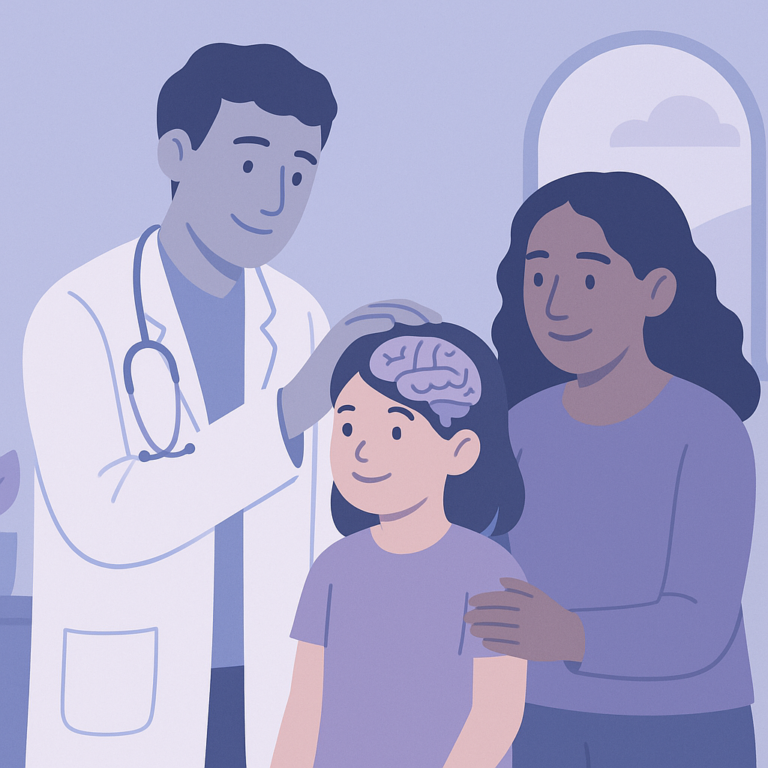
This study looked at how well children and adults with drug-resistant temporal lobe epilepsy (TLE) do after surgery to control their seizures.
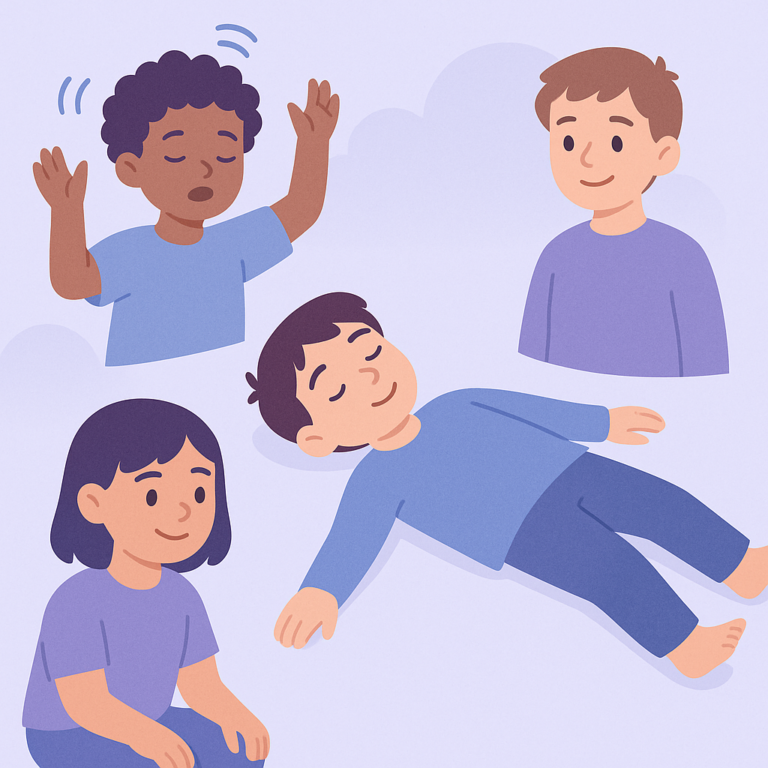
Researchers studied a group of 60 patients with epilepsy characterized by myoclonic-atonic seizures, a type of seizure that can cause sudden falls and loss of muscle control.

This study focused on understanding brain changes in older adults with late-onset unexplained epilepsy (LOUE), which is epilepsy that starts after age 55 without a clear cause.
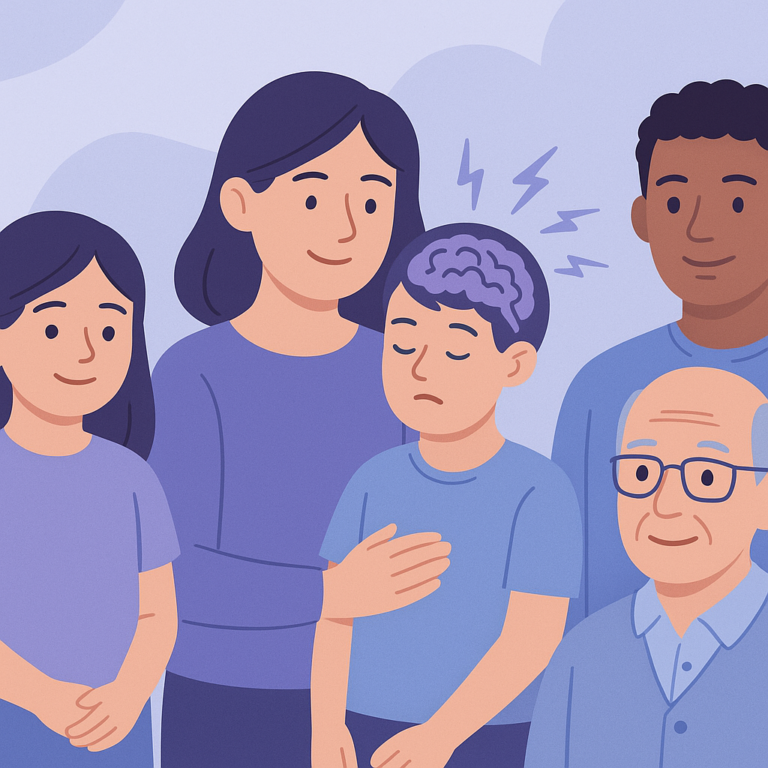
This study looked at epilepsy in patients with 8p-related disorders, which are genetic conditions linked to changes on the short arm of chromosome 8.