Positive Spike Waves Linked to Seizures and Developmental Delays
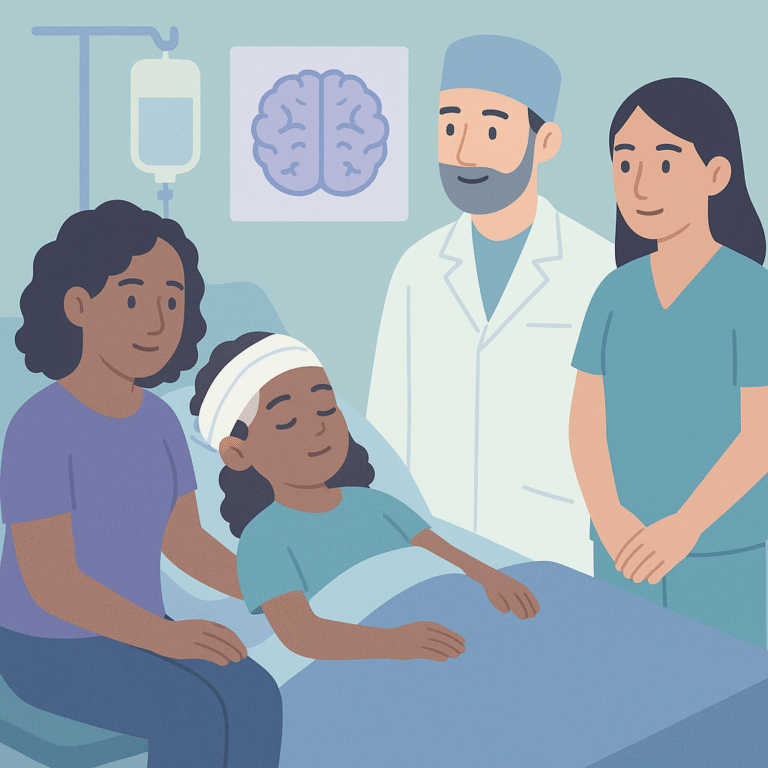
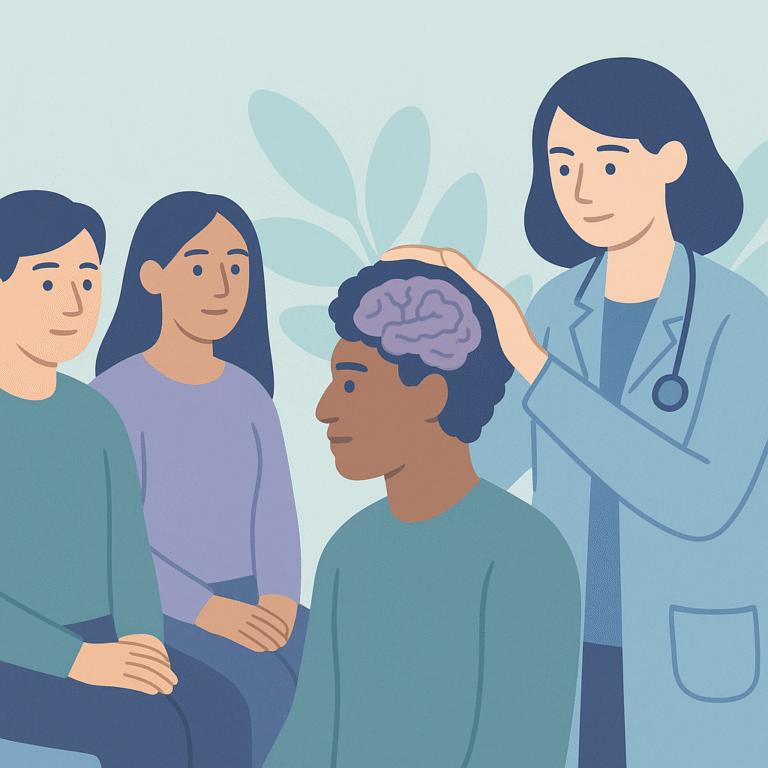
This study looked at the significance of positive spike wave (PSW) discharges in the brains of children aged 1 month to 19 years.
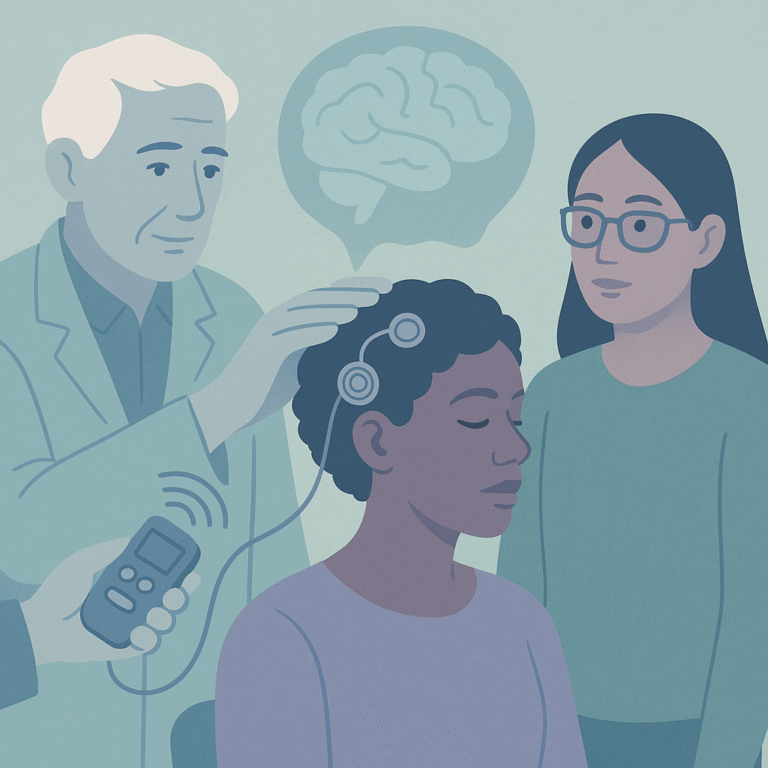
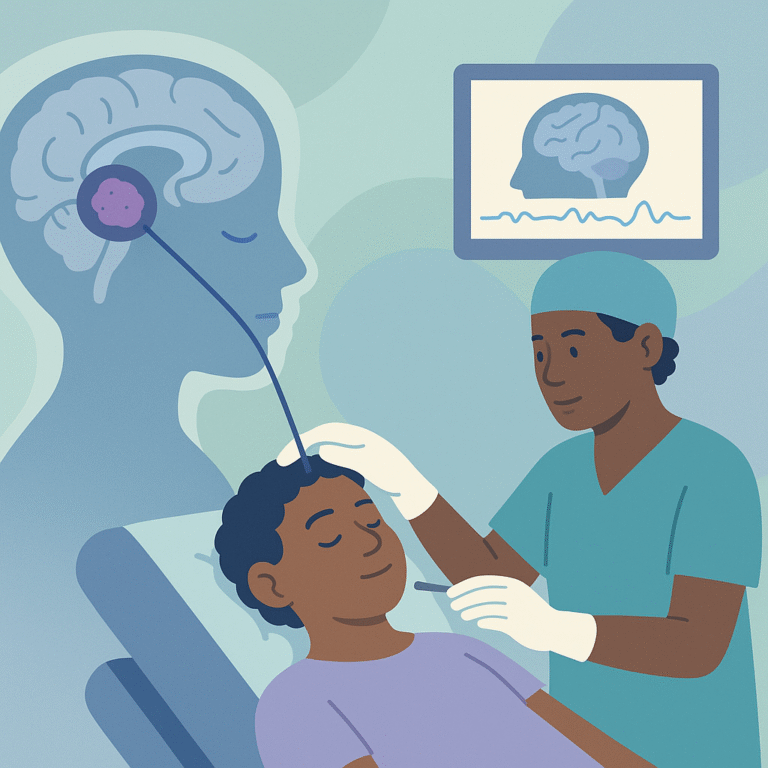
This hub covers drug-resistant epilepsy: When seizures aren’t controlled after trying two appropriate medicines. Research-backed next steps on diet therapies, devices, surgery evaluation, and safety.
If seizures aren’t controlled after two meds, it’s worth at least an evaluation at an epilepsy center.
Not necessarily. Some familiar consider it earlier depending on seizure type and goals.
Yes. Treatment response can change over time, and combinations/approaches matter.
Seizure frequency, triggers, sleep, missed meds, side effects, and rescue med use.
This study looked at the significance of positive spike wave (PSW) discharges in the brains of children aged 1 month to 19 years.
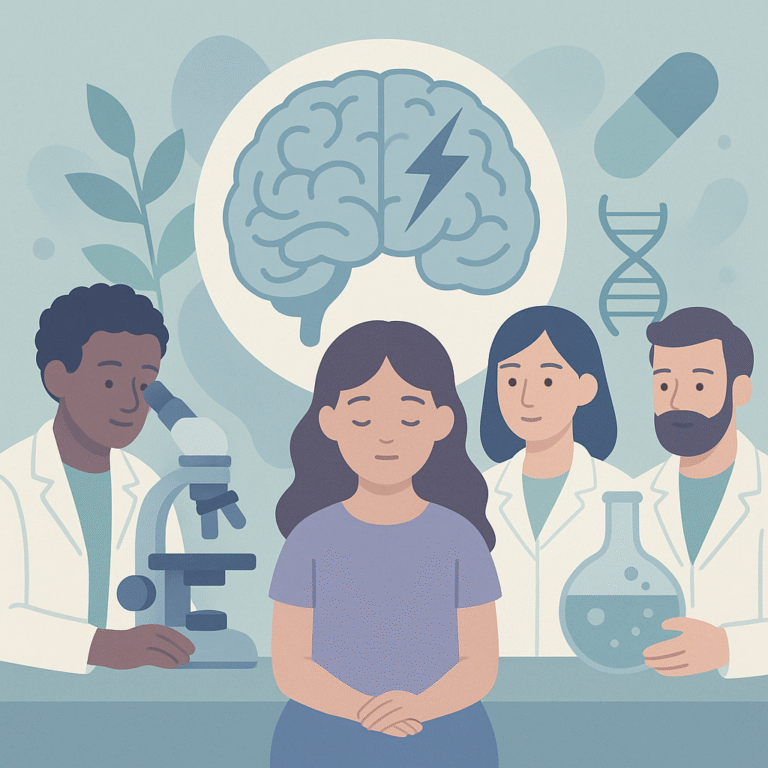
This study focused on understanding the role of microglia, a type of immune cell in the brain, in temporal lobe epilepsy (TLE), which is a common and hard-to-treat form of epilepsy.
Researchers studied two patients who developed a serious condition called haemophagocytic lymphohistiocytosis (HLH) after starting a medication called lamotrigine, which is often used to treat epilepsy.
This study looked at how young people with epilepsy move from pediatric to adult care at a single medical center.
Researchers studied the relationship between specific genetic variations in the SCN1A gene and resistance to sodium valproate, a common epilepsy medication, in children.
Researchers conducted a study to compare the effectiveness and safety of two medications, levetiracetam and sodium valproate, in treating children aged 1 to 16 years who were experiencing refractory generalized convulsive status epilepticus.
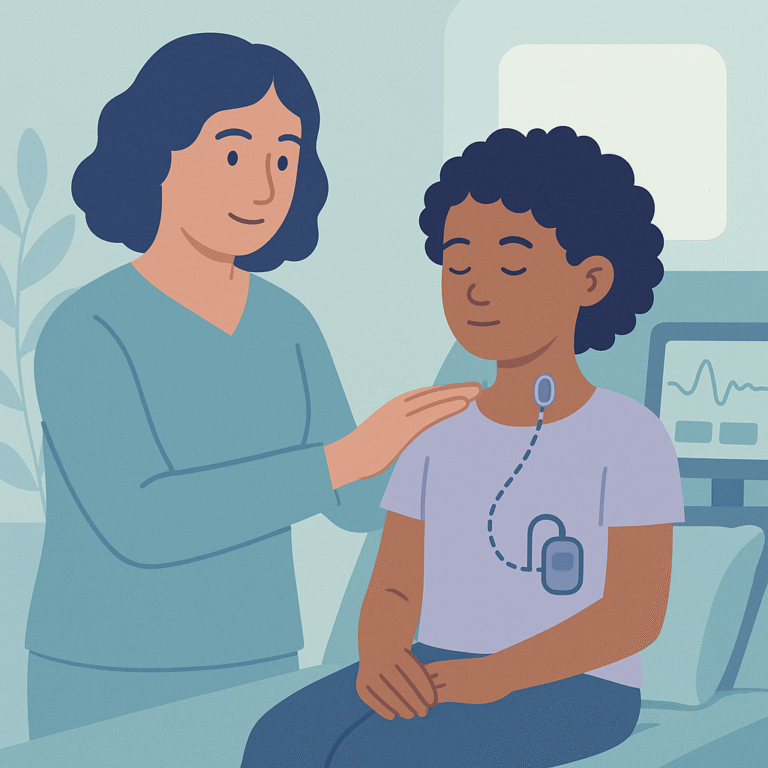
Researchers examined a case involving a 41-year-old man who had epilepsy and was using a vagus nerve stimulation (VNS) device to help manage his seizures.
Researchers studied a rare genetic condition called Familial Adult Myoclonic Epilepsy type 3 (FAME3), which causes seizures and tremors.
Researchers examined the use of vagus nerve stimulation (VNS) as a treatment for immune diseases, in addition to its established role in managing neurological conditions like epilepsy and depression.